Path to Art Advisory: Blair Wunderlich
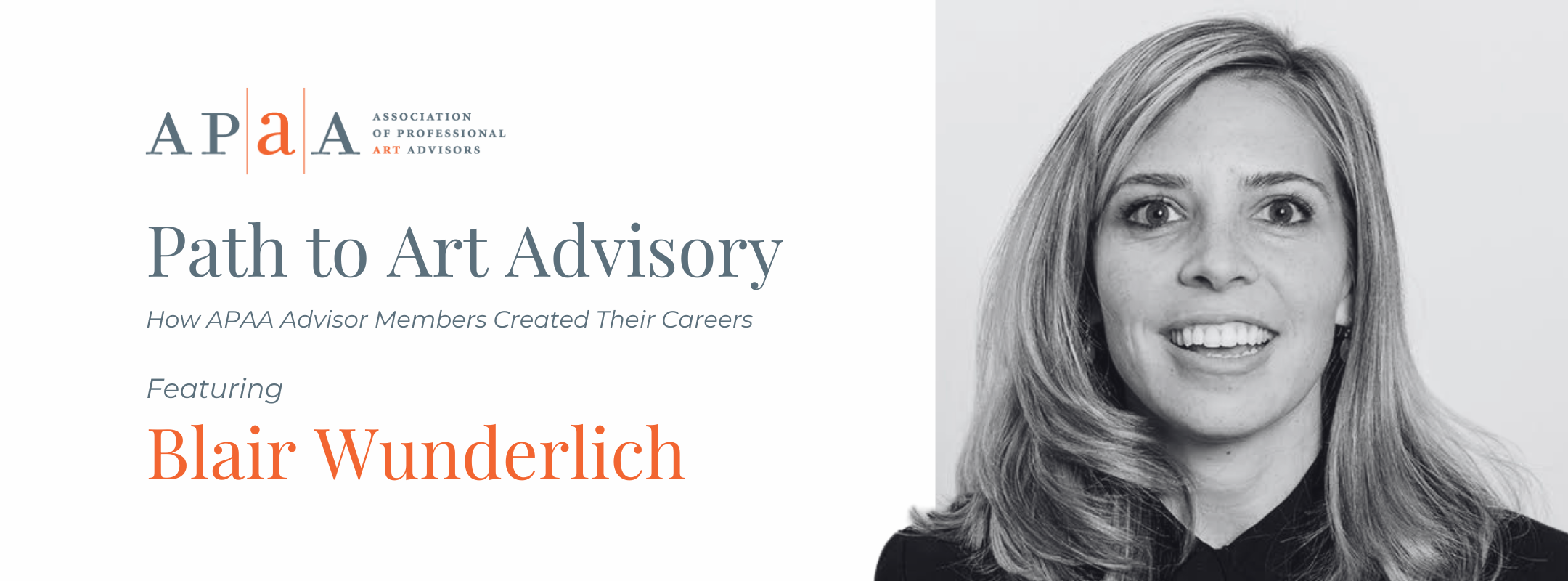
Blair Wunderlich, Vice President, Fine Art Practice at Brown & Brown, is an affiliate APAA Member, along with her colleagues Mary Pontillo and Chris Wise. With over 15 years of experience mitigating risks in capital projects, Blair has brought her expert knowledge to projects ranging from university museums to complex outdoor installations. She is a five-time Risk & Insurance Power Broker (2018–2025), successfully advising clients on seemingly “uninsurable” challenges.
As a supporter of the arts, Blair is a member of ArtTable and has organized various events for the organization, written articles for the International Association of Museum Facility Administrators’ publication, Papyrus, and spoken on numerous panels.
What was your first “art world” job?
My very first art world job was at Gerald Peters Gallery. At the time, galleries relied heavily on transparencies that were produced in-house, and one of my responsibilities was organizing and distributing them to the sales team so they could stay up to date on new inventory. It was a humble role, but it was incredibly exciting because I was often among the first people to see new works as they arrived.
What I loved most was the access it gave me to the people around me. I would spend my lunch breaks popping into the sales directors' offices, asking questions, and soaking up as much knowledge as I could about artists, collectors, and the business of art. Looking back, that curiosity was probably more important than any formal training. It gave me a foundation for understanding how the art world works and reinforced the idea that every role, no matter how junior, can be an opportunity to learn.
What's one lesson you learned that has stayed with you?
Work incredibly hard, be approachable, and stay connected to the people who invest in your growth. Throughout my career, I've been fortunate to have mentors who took the time to teach me, challenge me, and open doors for me. One thing I've learned is that those relationships don't end when you move on to the next opportunity.
People genuinely want to see you succeed. When someone has invested in your development, they appreciate hearing how your career is progressing and where your journey has taken you.
Where did you first hear about art advising?
One of my earliest experiences working with an art advisor was with Coleman Art Projects. They were managing high-value transactions that often involved private viewings and artwork moving on very short timelines. I remember how focused they were on making every aspect of the process feel effortless for their clients. They needed a broker who could move just as quickly, sometimes arranging coverage on a Friday afternoon for a transaction happening over the weekend.
That experience gave me a real appreciation for top art advisors. I saw firsthand how much trust clients place in them and how hard they work behind the scenes to create a seamless experience. Those early interactions gave me a real appreciation for the profession and ultimately influenced the way I serve advisors today.
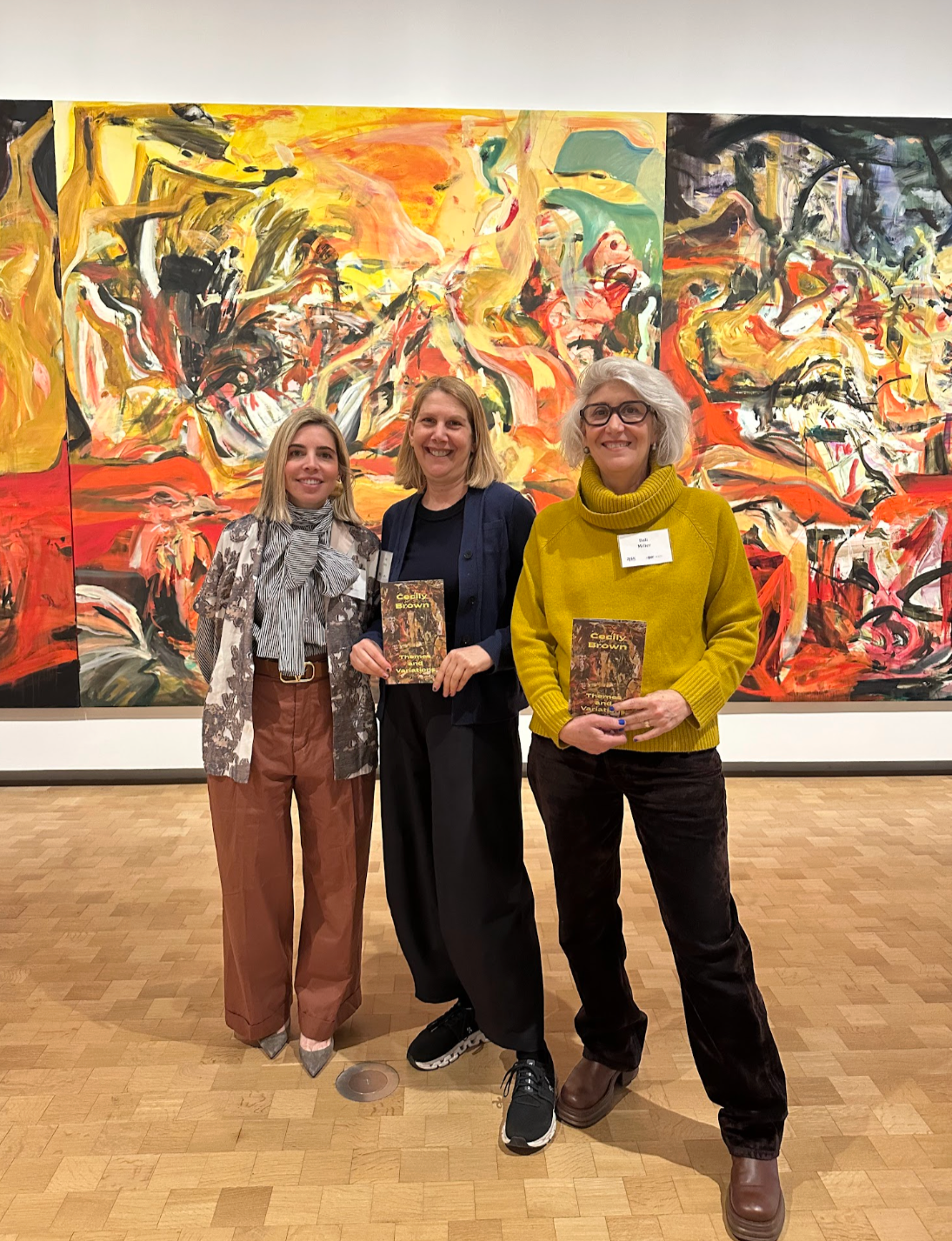
Blair Wunderlich and APAA Members Lisa Marks and Bali Miller at The Barnes Foundation.
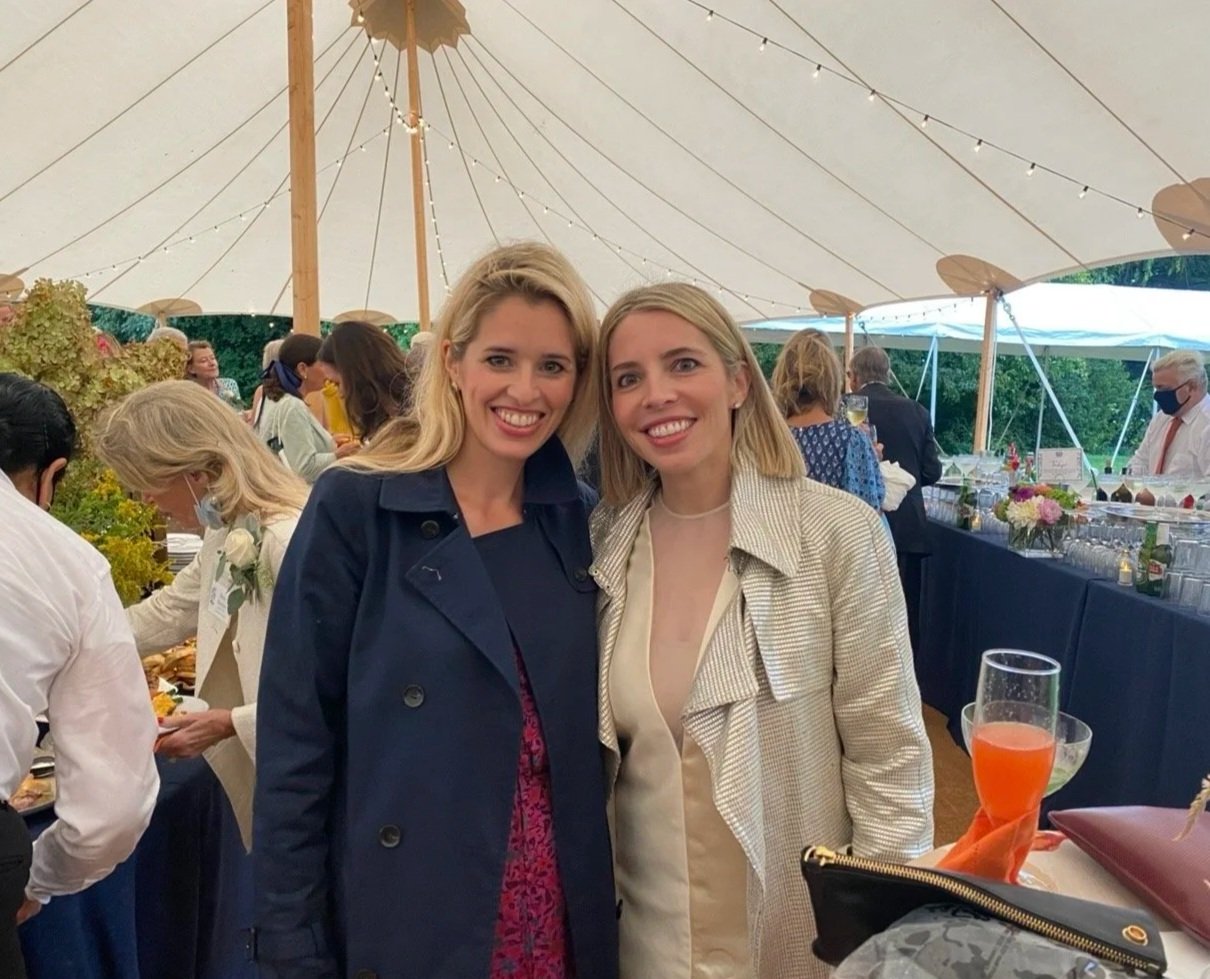
Blair Wunderlich with APAA member Lauren Hilyard. Courtesy of Blair Wunderlich.
Who did you look up to when you were first considering art advising?
My career has always been adjacent to the art advisory world. Rather than becoming an art advisor myself, I built a practice counseling collectors, galleries, and advisors on insurance and risk management. Because of that, I've had the opportunity to work closely with many talented advisors.
Around 2020, I realized that art advisors represented a highly specialized segment of the art world that was often overlooked by the insurance industry. Our firm was called Dewitt Stern at the time, and it was run by Mary Pontillo, who was always seeking to be on the cutting edge of the art insurance world. As we thought about the evolution of the art world, we knew advisors were growing in importance. Their businesses have unique risks, yet there were very few insurance solutions designed specifically for them. That realization led our team to create a dedicated insurance program for art advisors, combining fine art coverage with professional liability, or Errors & Omissions.
What I've always admired about great advisors is their commitment to stewardship. They earn trust through expertise, discretion, and long-term thinking, qualities that I have tried to emulate in my own role as an advisor on risk management.
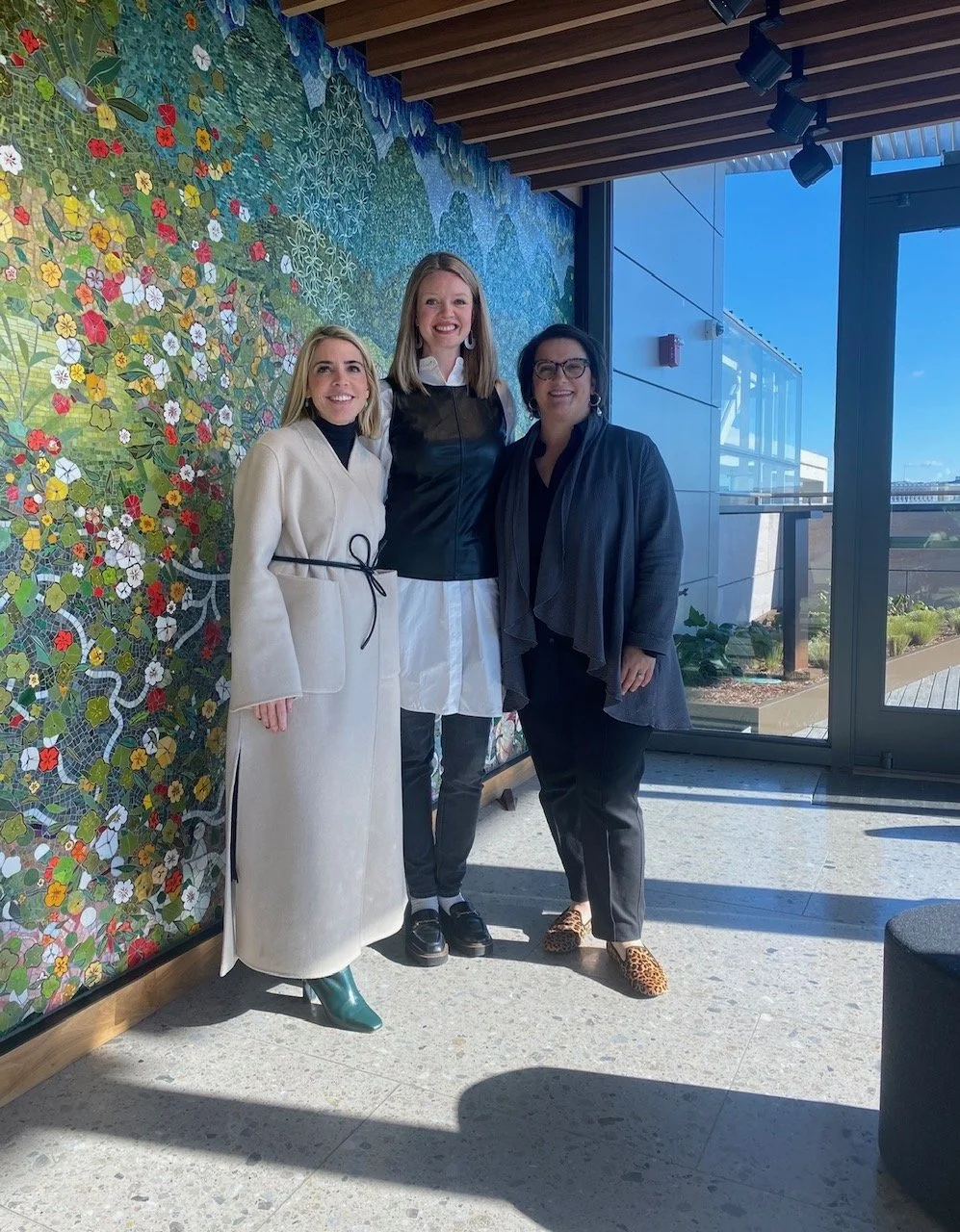
Blair Wunderlich, Caitlin Berry (Director, the Irene and Richard Frary Gallery), Mary Pontillo. Image Courtesy of the Hopkins Bloomberg Center and Shahzia Sikander.
What drew you to art advising over other art world careers?
While I am not an art advisor myself, I have been drawn to working with the advisory community because of the way advisors serve their clients. Their role extends far beyond individual transactions. They act as trusted consultants, helping collectors make informed decisions, manage risk, and build collections that reflect their passions and goals.
One of my earliest experiences was working with San Francisco-based advisor Caroline Brinckerhoff. Many of her clients live in wildfire-prone areas, and it was eye-opening to see how important her guidance was in helping collectors think proactively about risk management. Most collectors do not want to navigate insurance claims or complex risk issues themselves. They rely on trusted advisors and insurance professionals to help protect their collections and advocate for them when challenges arise.
That approach closely aligns with how I view my own role as an insurance broker and risk management advisor. The strongest client relationships are built on long-term partnership, trust, and thoughtful guidance. That shared philosophy is what ultimately led me to focus on supporting art advisors and the collectors they serve.
What advice would you give your younger self?
I love this question! Be curious! Absorb everything you can, ask questions constantly, and never assume you're too junior to contribute. Some of the most valuable lessons in my career came from simply being curious and willing to learn from the people around me.
I would also tell my younger self to raise my hand more often. Take on projects that feel slightly beyond your comfort zone and don't wait until you feel completely ready. Opportunities rarely arrive at a convenient moment. In fact, they often show up when you're uncertain. The people who grow the fastest are usually the ones willing to say "yes" before they have all the answers and trust themselves to figure things out along the way.
Being fearless, adaptable, and open to learning has served me better than any carefully planned path ever could.
