
Irene C. Papanestor’s Lisbon City Guide
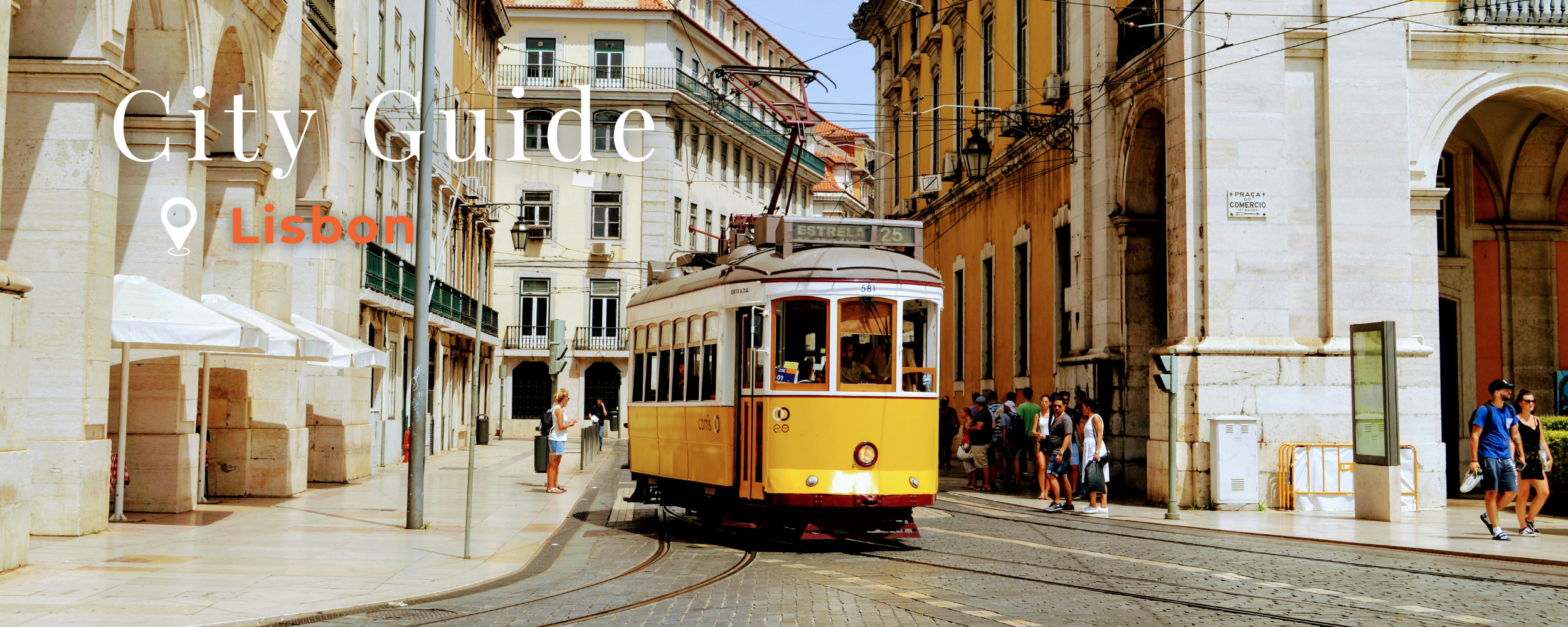

Welcome to APAA’s series celebrating the intersection of travel and art around the world. This collection spotlights insider perspectives from our global membership, as we invite members to share personal guides to their cities—highlighting favorite restaurants, bars, things to do, and, most importantly, art.
APAA advisor Irene C. Papanestor, Principal at Irene Papanestor Art Advisory, LLC, shares her insider City Guide timed to coincide with the ninth edition of ARCOlisboa and the summer travel season. Irene holds dual citizenship with the U.S. and Greece and established Lisbon as her European base in 2023.
Museums and Cultural Sites
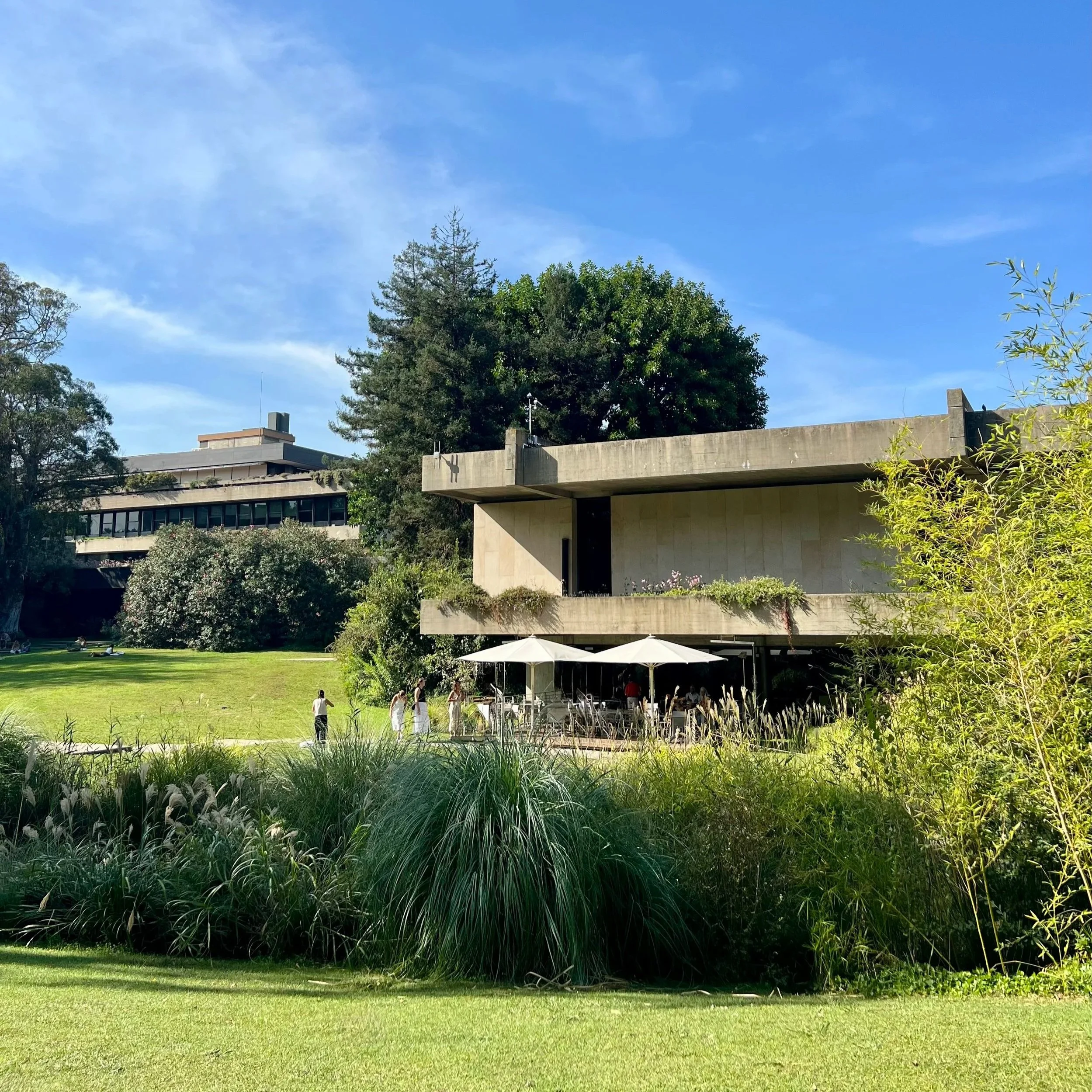
The Calouste Gulbenkian Foundation is one of Europe's largest charitable and philanthropic foundations and is headquartered in Lisbon. Although the museum holding Gulbenkian's private collection is closed for renovations until July 2026, the Foundation's Modern Art Center (CAM) is open. CAM debuted its major renovation in September 2024, led by Japanese architect Kengo Kuma, who partnered with landscape architect Vladimir Djurovic. Together, the two designed the building in harmony with the Foundation's expansive and beloved garden, a welcome respite from the city's summer heat. Be sure to browse in CAM's excellent shop and have a seasonal lunch in the breezy adjacent restaurant, CAM's Table. The Foundation also hosts a vibrant evening concert series throughout the year. Check the program and music calendar in advance to see if your schedule aligns.
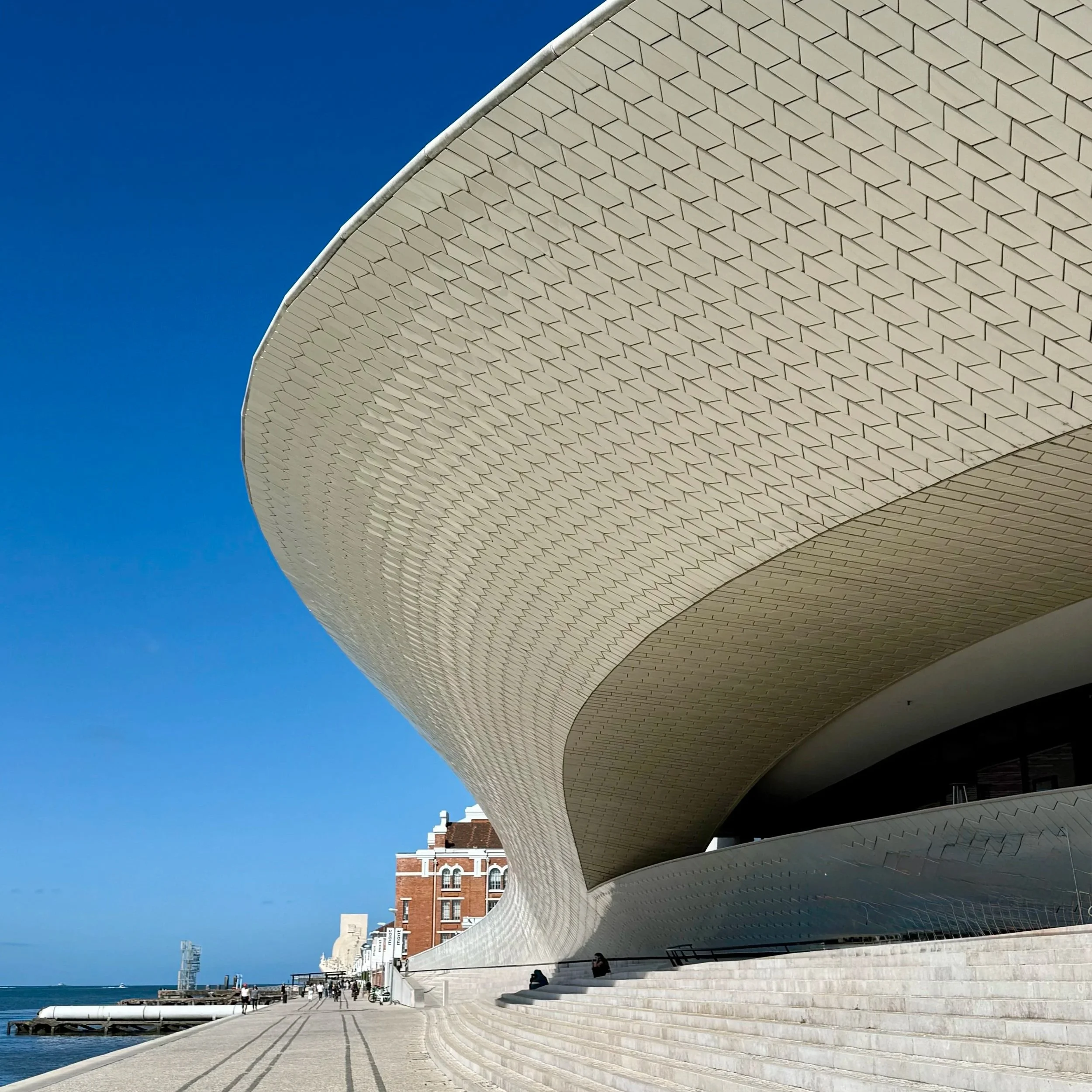
Located on the banks of the Tagus in Belém, Lisbon, MAAT is a multidisciplinary art and culture center; in addition to its permanent collection and archival holdings, it hosts temporary exhibitions such as Anna Maria Maiolino - Poetic Earth, on view now through August 31, 2026.
The site comprises two riverside exhibition spaces: MAAT Central, a redesigned thermal power station, and MAAT Gallery, a new building designed by British architect Amanda Levete. Both spaces were inaugurated in 2016, but it's Levete's bold, futuristic structure, with its curvy lines and gleaming white-tiled exterior, that's instantly memorable. The roughly 3 1/2 mile walk along the river promenade from Praça do Comércio in downtown Lisbon towards Belém will lead you directly there, and opportunely close to Pastéis de Belém, the famed bakery celebrated for their pastel de nata (egg custard tarts).
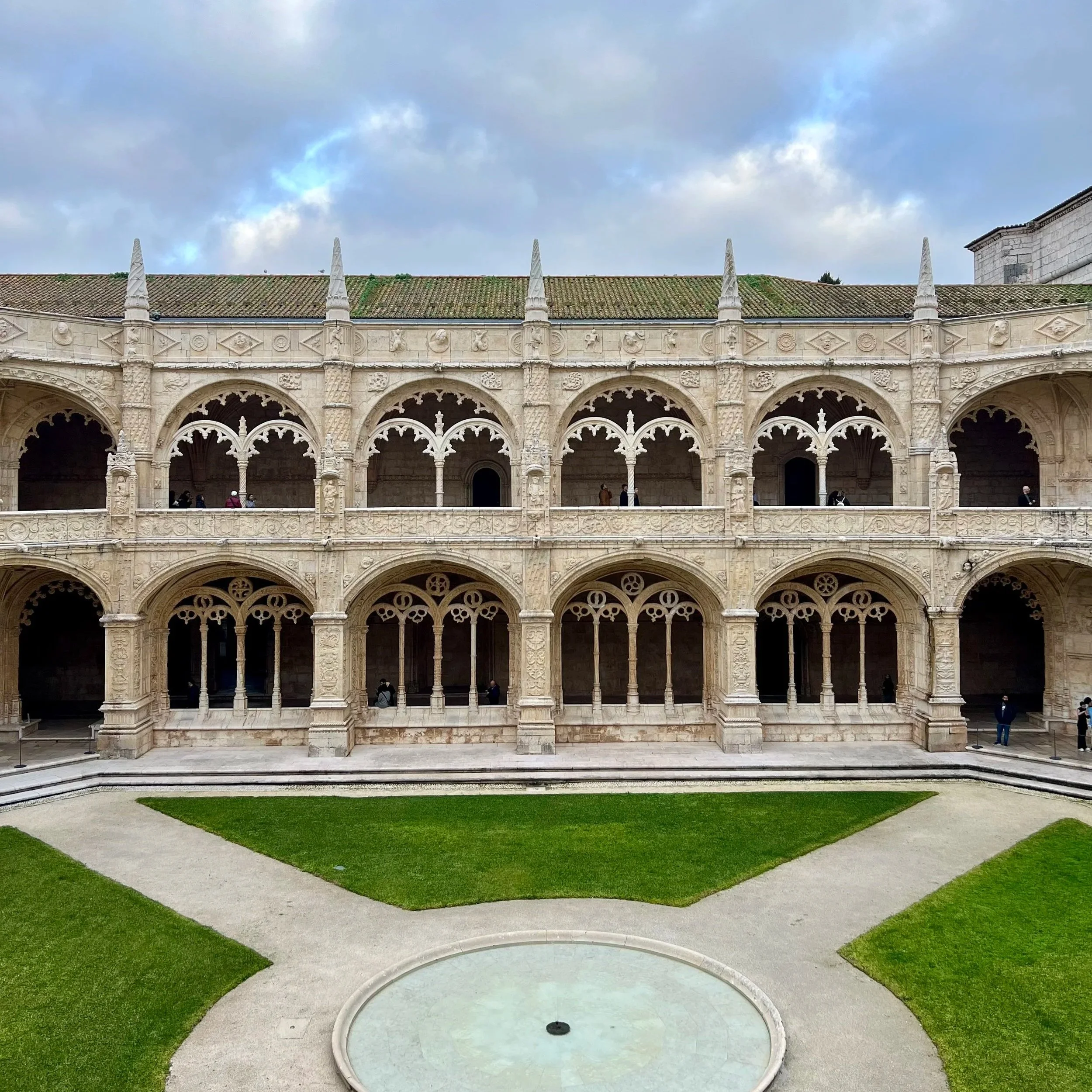
Lisbon, founded circa 1200 BC, predates Rome, Istanbul, Paris, and London. Relative to other European capitals, however, there is little visual evidence of that fact due to the devastating 1755 earthquake that destroyed the majority of the city. Jerónimos Monastery, a stellar example of Portuguese Manueline (late Gothic) architecture, is one of the few grand historical sites to survive it. Financed in part by taxes on spices brought back from India, the complex is a testament to Lisbon's extraordinary power and wealth during the Age of Discovery: its monumental facade extends 300 yards along the riverfront.
Construction on the church and cloisters began in 1501 near the departure point of explorer Vasco de Gama's first maritime expedition, and it is now classified as a UNESCO World Heritage Site. Ornately carved in limestone, many of the monastery's sculptural themes revolve around seafaring motifs, pelagic life, and objects discovered on naval voyages. The monastery was secularized in 1833 and is now one of Portugal's most visited cultural attractions. To best avoid the crowds, pre-book a timed-entry ticket for a 9:30 am arrival, or later in the day, post-4 pm.
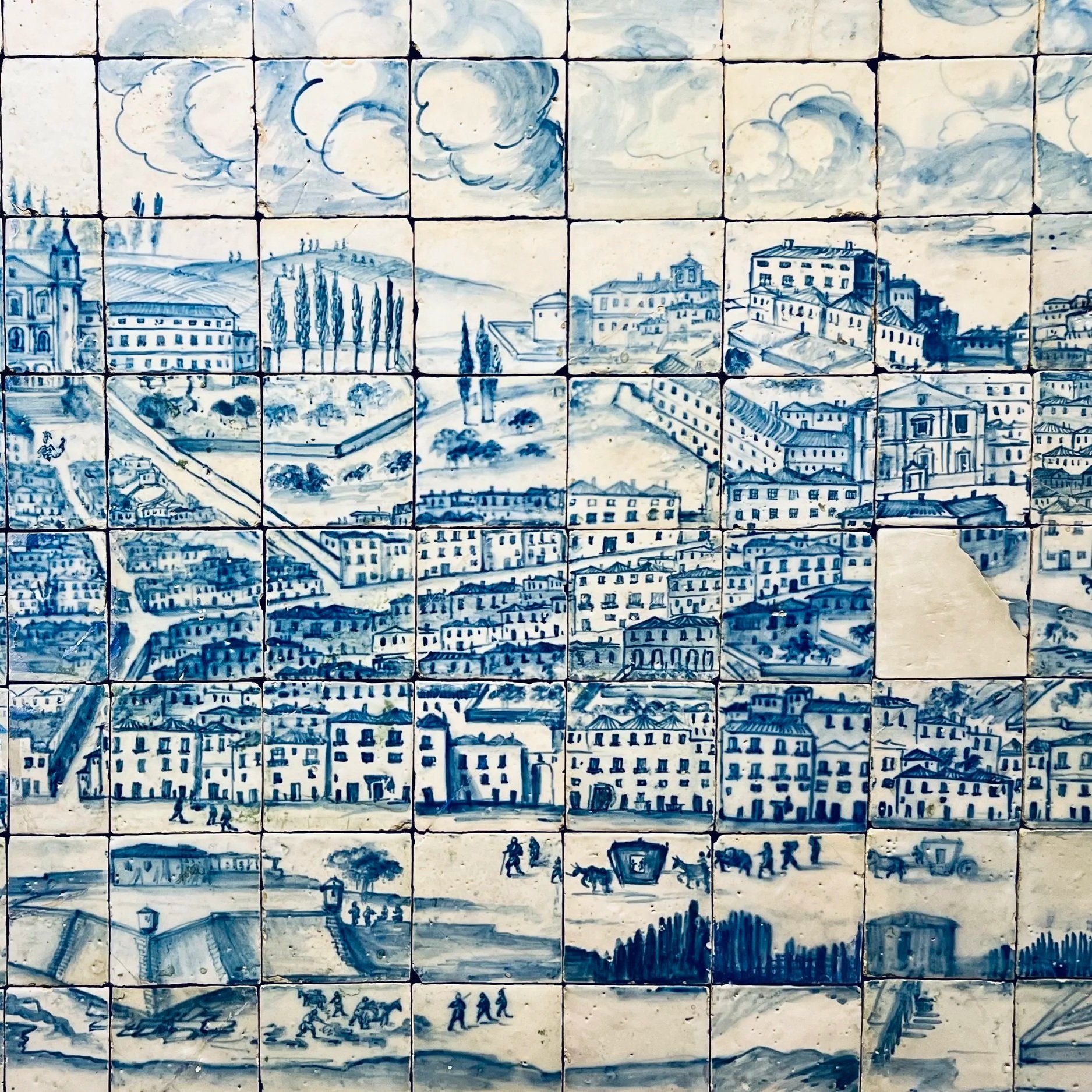
Housed in the Madre de Deus Convent, the National Tile Museum traces the history of the azulejo tiles and, by extension, illuminates Portugal's. The word azulejo derives from the Arabic azzelij or al zuleycha, which means 'small polished stone' and refers to a usually square piece of ceramic that's glazed on one side. The museum's collection of decorative tiles spans from the mid-15th century to the present day and spotlights a form of artistry inextricably linked to Portugal's visual and cultural identity. In addition to preserving one of the largest tile collections in the world, the museum actively undertakes conservation and restoration initiatives related to an art form that can be seen on the interiors and exteriors of buildings throughout Portugal.
The museum’s remarkable Grande Panorama da Lisboa is worth a visit alone: measuring approximately 75 feet long by 3 1/2 feet high, the monumental blue and white tiled panorama is attributed to the Spanish painter Gabriel del Barco. Created a few years before the catastrophic 1755 earthquake that decimated the city, the detailed panorama documents Lisbon - the riverfront, cathedrals, palaces, dwellings, and inhabitants - as it once was.
Note: The Museum is currently closed for renovations and is expected to reopen in the second half of 2026. Check the museum's website or social media for updates.
*Several notable museums and monuments in Lisbon are temporarily closed as a result of large renovation projects funded by the EU Recovery and Resilience Plan (PRR). Some are scheduled to reopen in Summer 2026; however, others still have no confirmed date. Be certain to verify your destination's operational status and opening hours prior to visiting.
Galleries
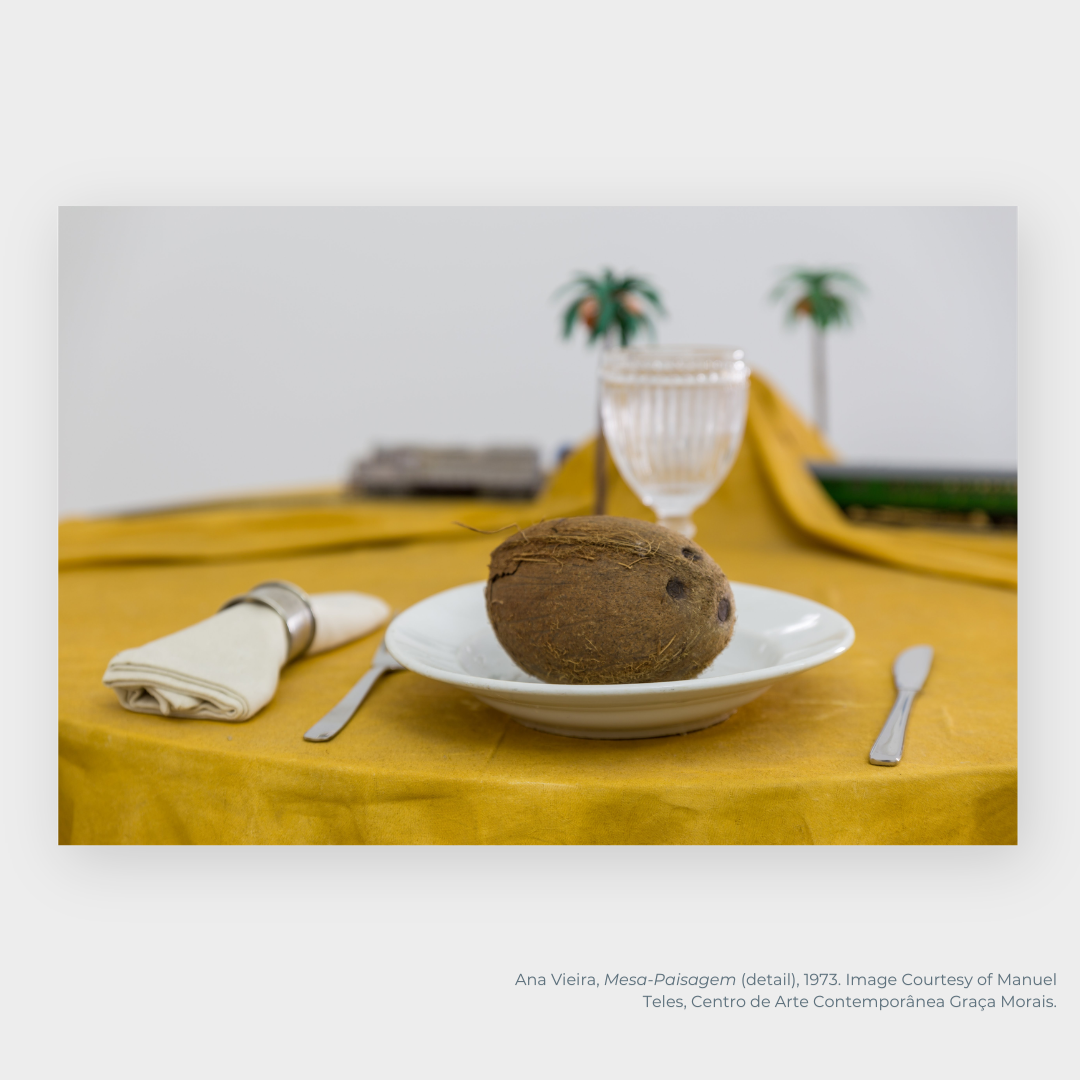
Curated by Antonia Gaeta, The Narrative Structure is the gallery's first exhibition of Portuguese artist Ana Vieira's work since announcing representation of The Estate in late 2025. Vieira (1940-2016) often used everyday objects to illustrate her conceptual investigations of private and public space, interiors and exteriors, and the visible and hidden. Her installations, such as the 1973 piece Mesa-Paisegem included in the show, blur the boundaries between representation and reality. Abstracted from their practical use, the objects are free to transcend their functional identities and assume more poetic and allegorical ones.
On View: 26 May - 5 September, 2026
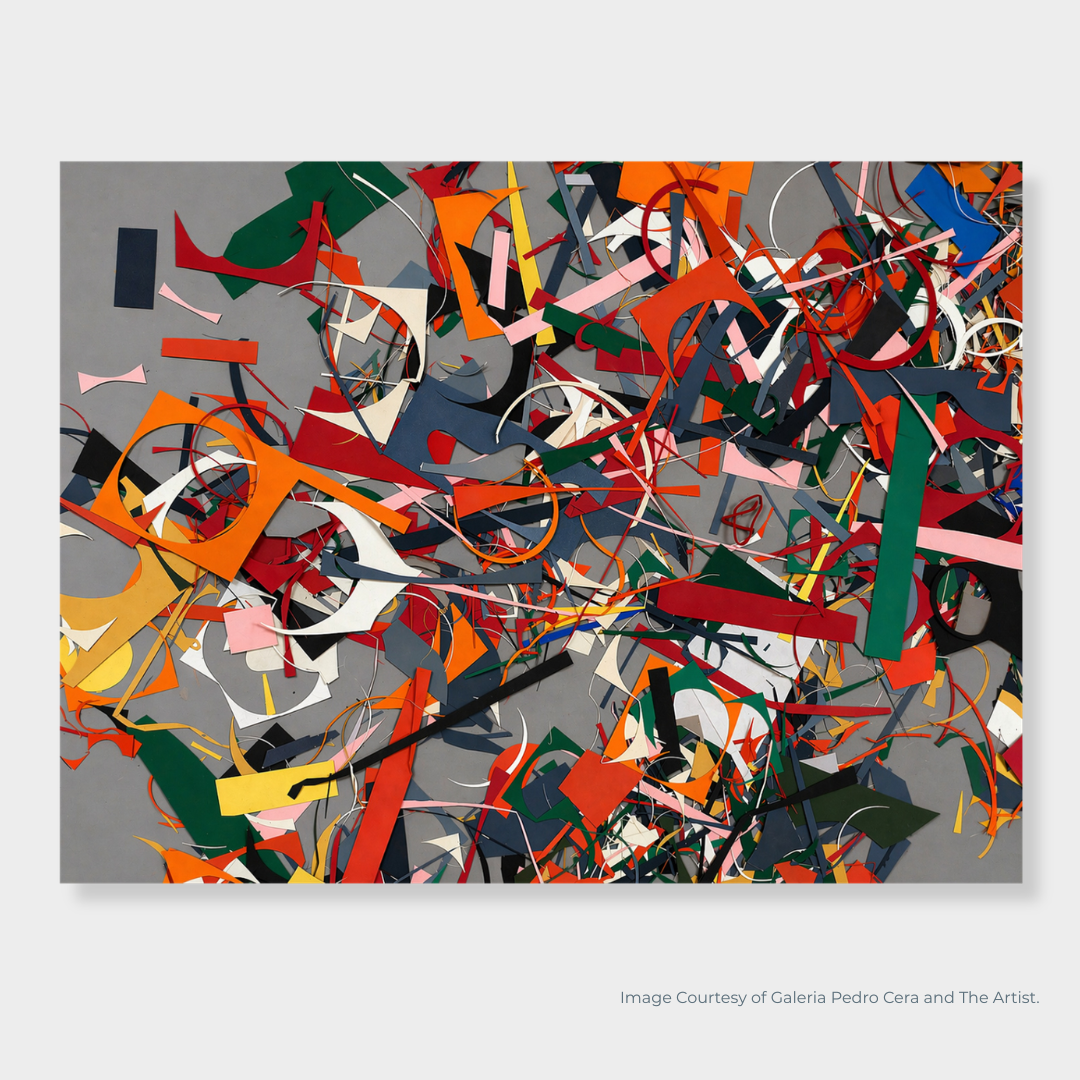
CUTOUTS is a solo exhibition featuring a new group of suspended sculptures by Madrid-based artist Antonio Ballester Moreno (Spain, b. 1977).
On View: 27 May - 12 September, 2026
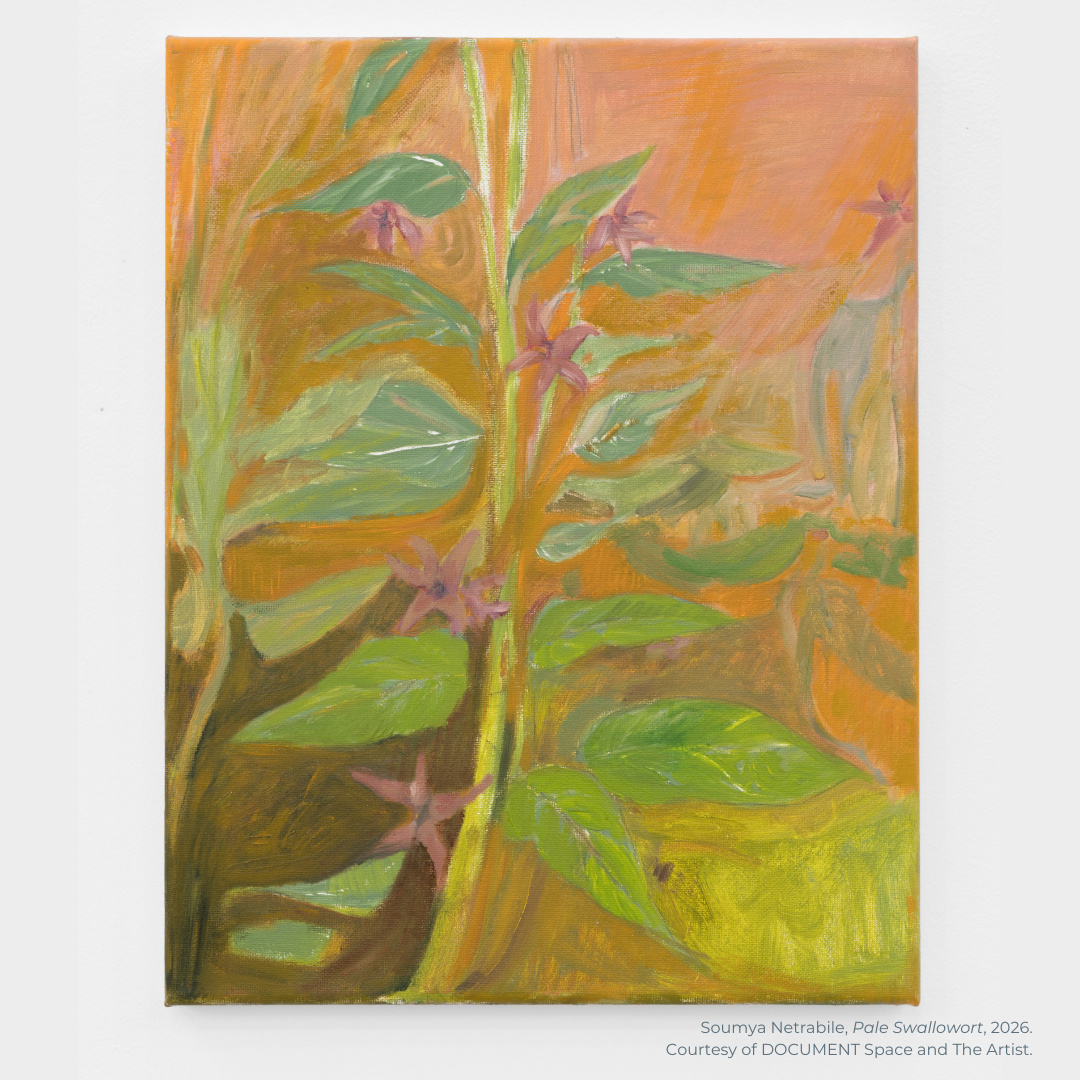
Trophic is a group exhibition featuring work by Noelle Africh, Katelyn Eichwald, Will Gabaldón, Laura Letinsky, Faheem Majeed, Duncan McGillivray-Smith, Soumya Netrabile, and William J. O’Brien. Presented in collaboration with Ackerman Clarke, the show celebrates the strong network among Chicago-based emerging and established artists and marks the first time many of the included artists will exhibit their work in Portugal.
On View: 29 May - 15 August, 2026
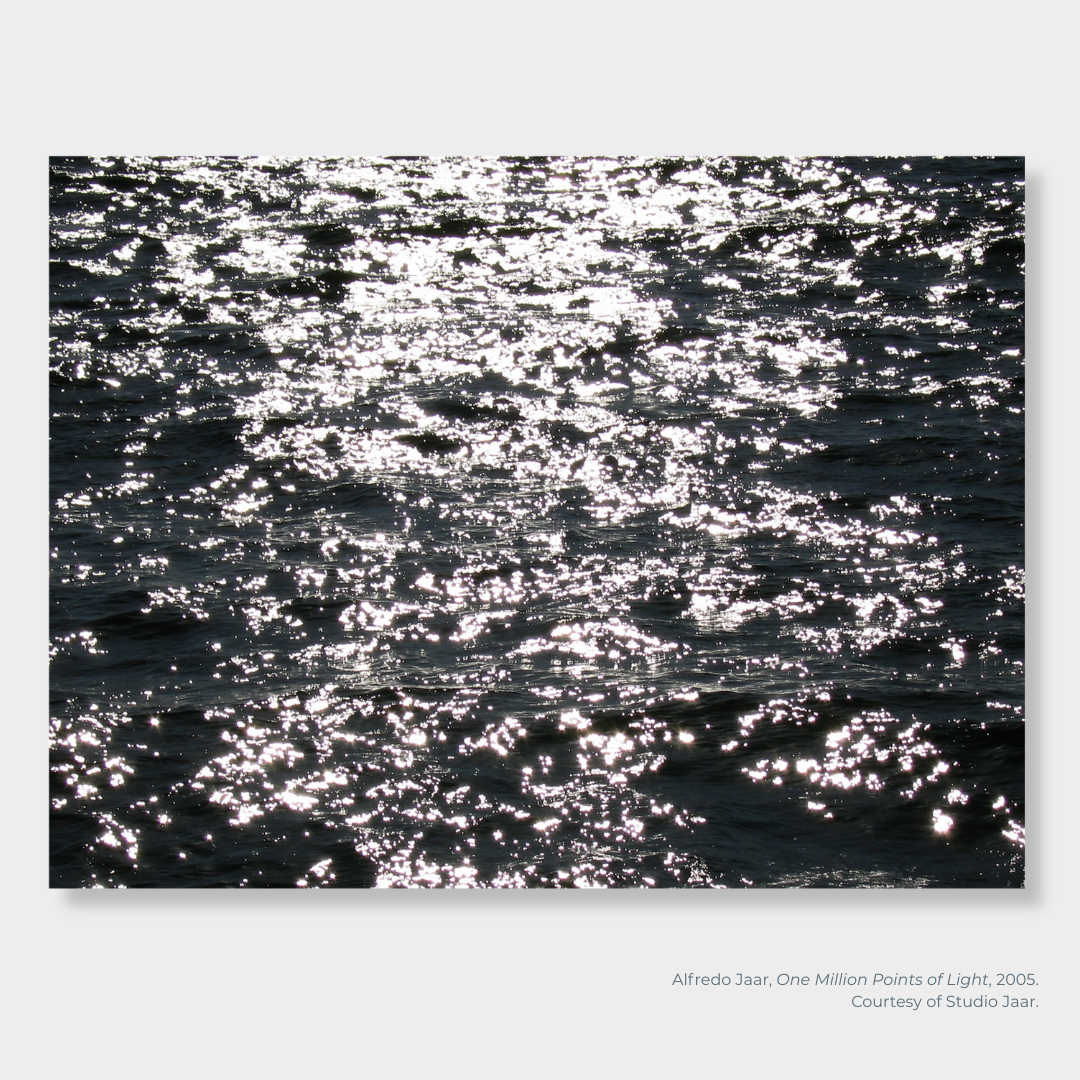
Alfredo Jaar: One Million Points of Light is the artist's first exhibition at the gallery, and brings together three of Jaar's seminal pieces, which have never been shown in Portugal: One Million Points of Light (2005), The Sound of Silence (2006), and You Do Not Take a Photograph. You Make It. (2013).
Curated by Maurizio Bortolotti, the show is intended to platform central themes recurring within Jaar's practice - the politics of images, humanitarian crises, the imbalance of power - while acknowledging Portugal's historical relationship to colonialism and the Atlantic slave trade and the present-day reverberations of its past.
On View: 24 May - 30 September, 2026
Restaurants & Bars
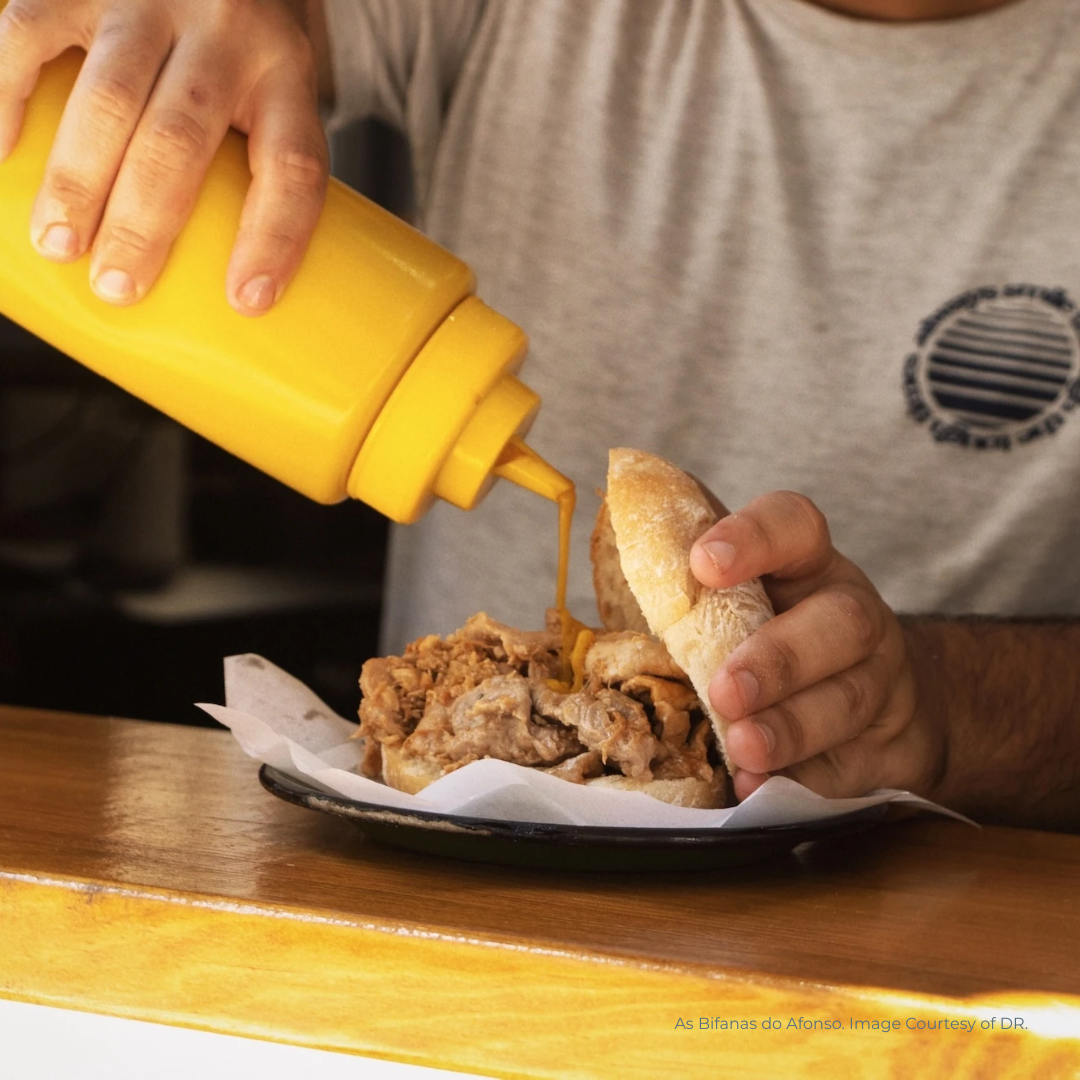
As Bifanas do Afonso
A taco is to LA as a slice is to NYC, as a bifana is to Lisbon, and everyone has an opinion. This no-frills, family-run takeaway spot reigns supreme. Best topped with mustard and/or chili oil and paired with a draft beer (imperial), the bifana is a classic Portuguese sandwich filled with thinly sliced pork braised in a garlic and white wine sauce and served on a crusty roll. Be prepared to queue; everyone, from groups of teenage footballers, neighborhood octogenarians, and guide-book-abiding tourists, to local professionals on lunch break, will be waiting in line beside you.
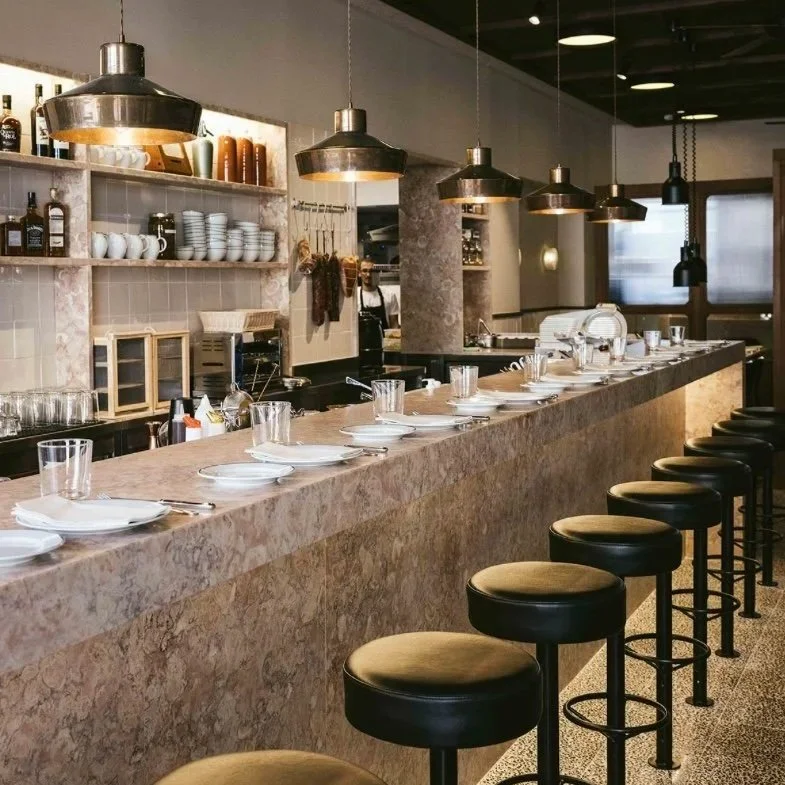
Canalha is the place for classic Portuguese dishes realized to their elevated potential. Think comfort food executed by a Michelin-starred chef and served without pretension. Opened in late 2023, Canalha was quickly embraced by food-loving locals. Intended as an accessible, neighborhood restaurant platforming the country's best farmers and producers, fresh meat and fish is cooked on a Basque grill and the lunch menu features daily specials with reverence for tradition. Diners can sit at the long marble bar with a view into the kitchen or at one of the bistro tables. Order a plate of the chorizo, the prawn omelette with onion, the flan pudding, and a glass of Madeira to finish, natch.
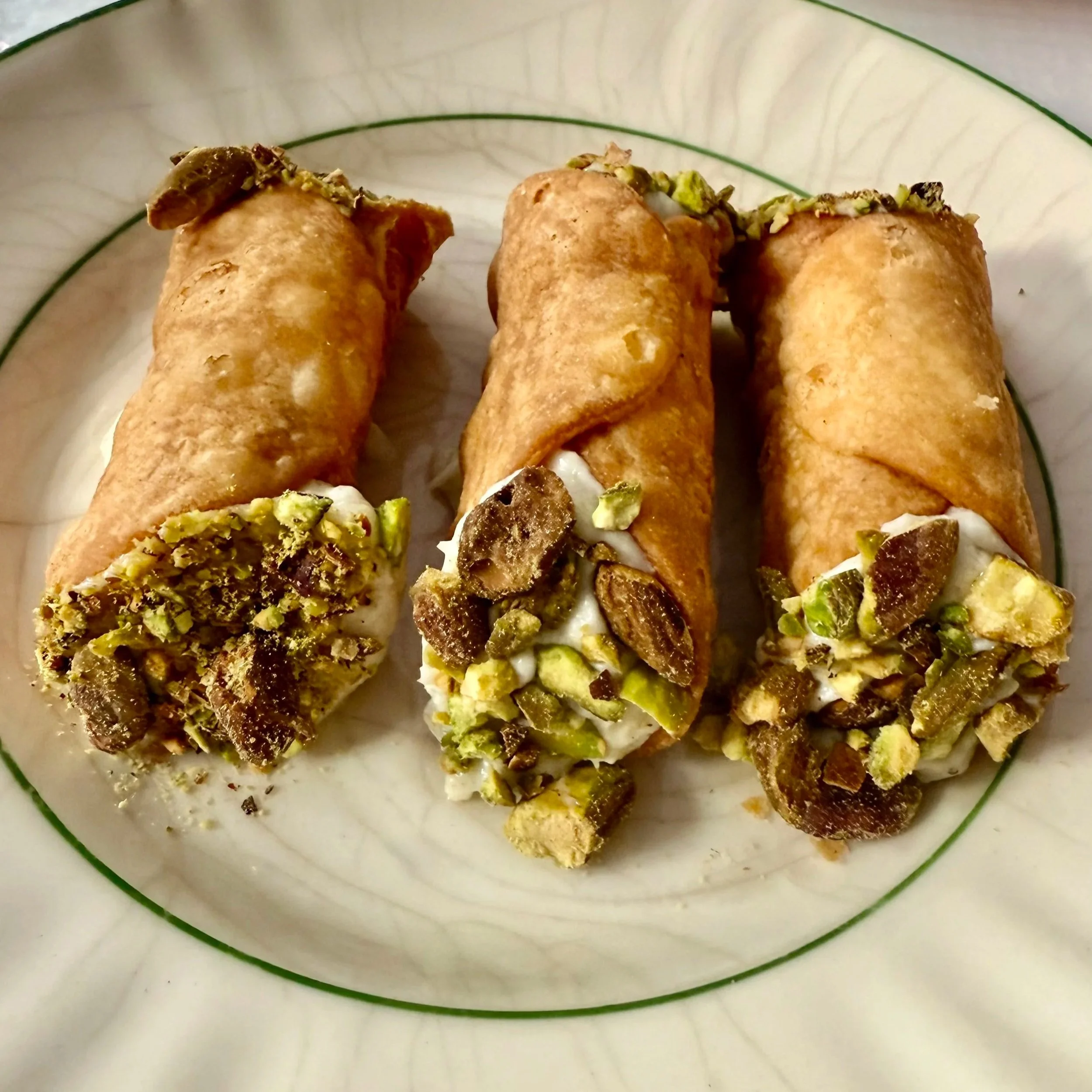
A buzzy bar and restaurant in Lisbon's chic Principe Real neighborhood. The menu blends Italian and Portuguese flavors and features small plates, natural wines, and tasty cocktails that can be shared at a table or at the counter alongside a stylish crowd. Order the whipped cod cannoli with pistachios, arancini with ricotta and Iberian ham, white fish crudo, and tiramisu. Book ahead.
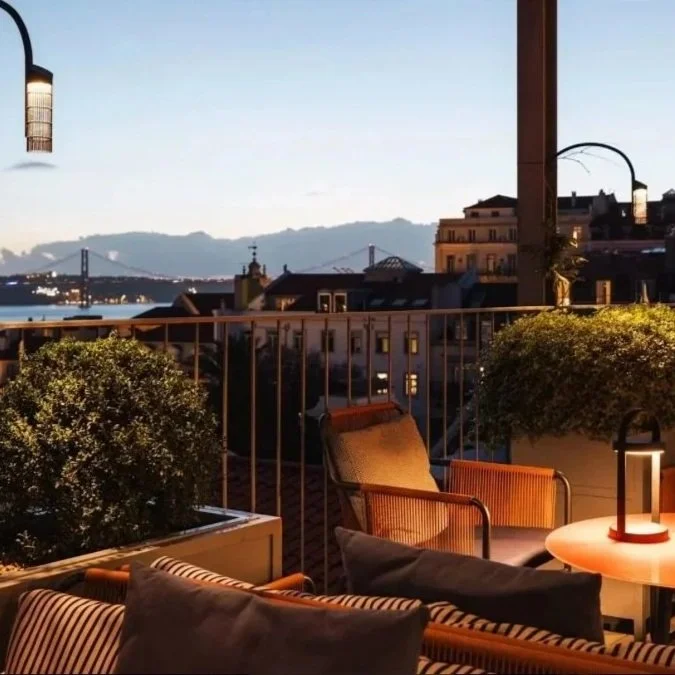
The compact but elegant terrace lounge on the top floor of the Bairro Alto Hotel is the perfect place to unwind after a day of climbing Lisbon's seven hills. In the summer, order a Porto Tónico, Portugal's answer to the Aperol Spritz, and wait for the sun to set over the Tagus. If you're feeling snackish, the menu includes small bites or a light meal.
Shopping
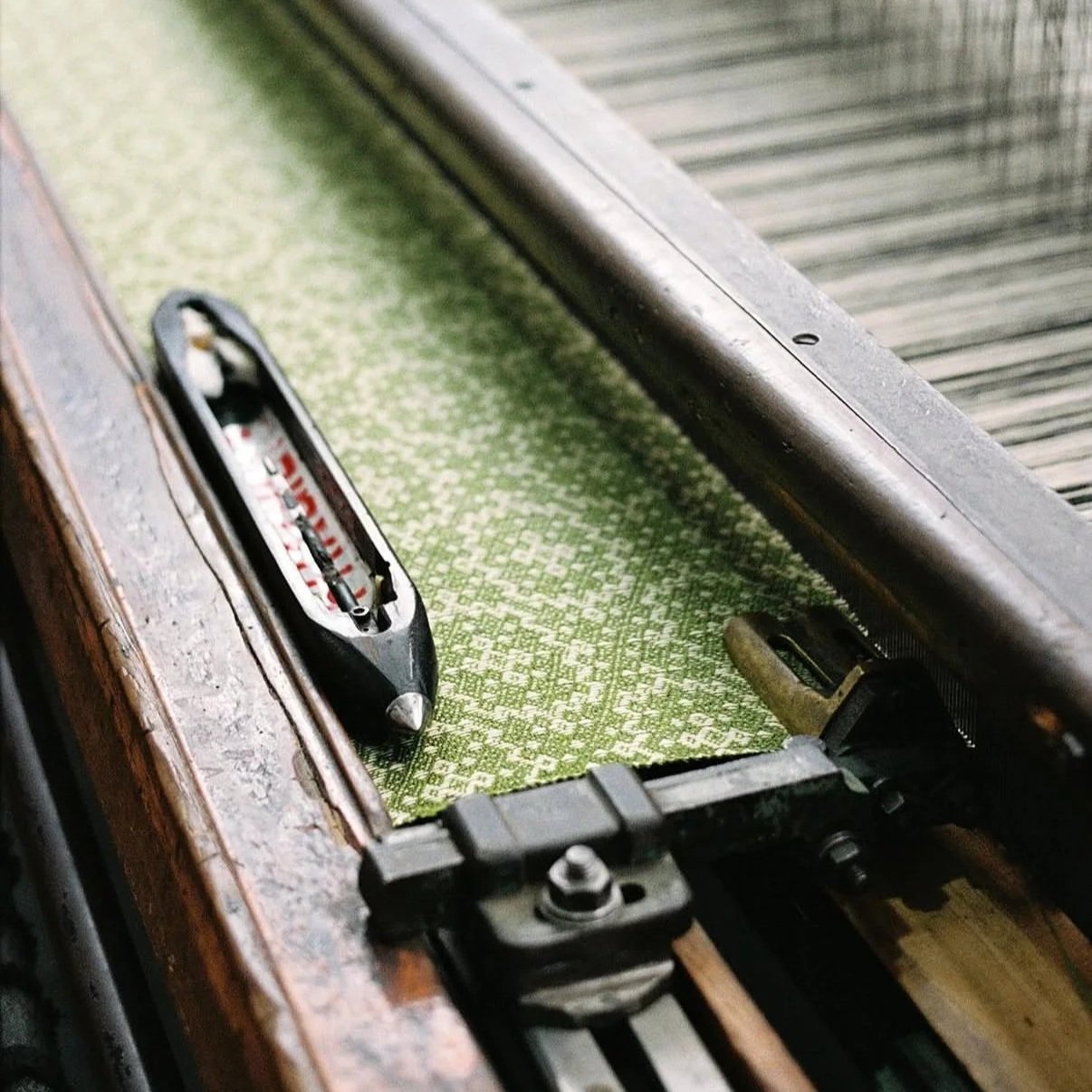
Burel, a traditional wool fabric, was originally used by Portuguese shepherds to stay warm and dry in the field. Burel Factory, located in the Serra de Estrela region of central Portugal, is a mountain heritage brand whose mission is to sustain and innovate Portuguese weaving traditions and textile production. The designs on the 100% wool blankets and throws are exquisite.
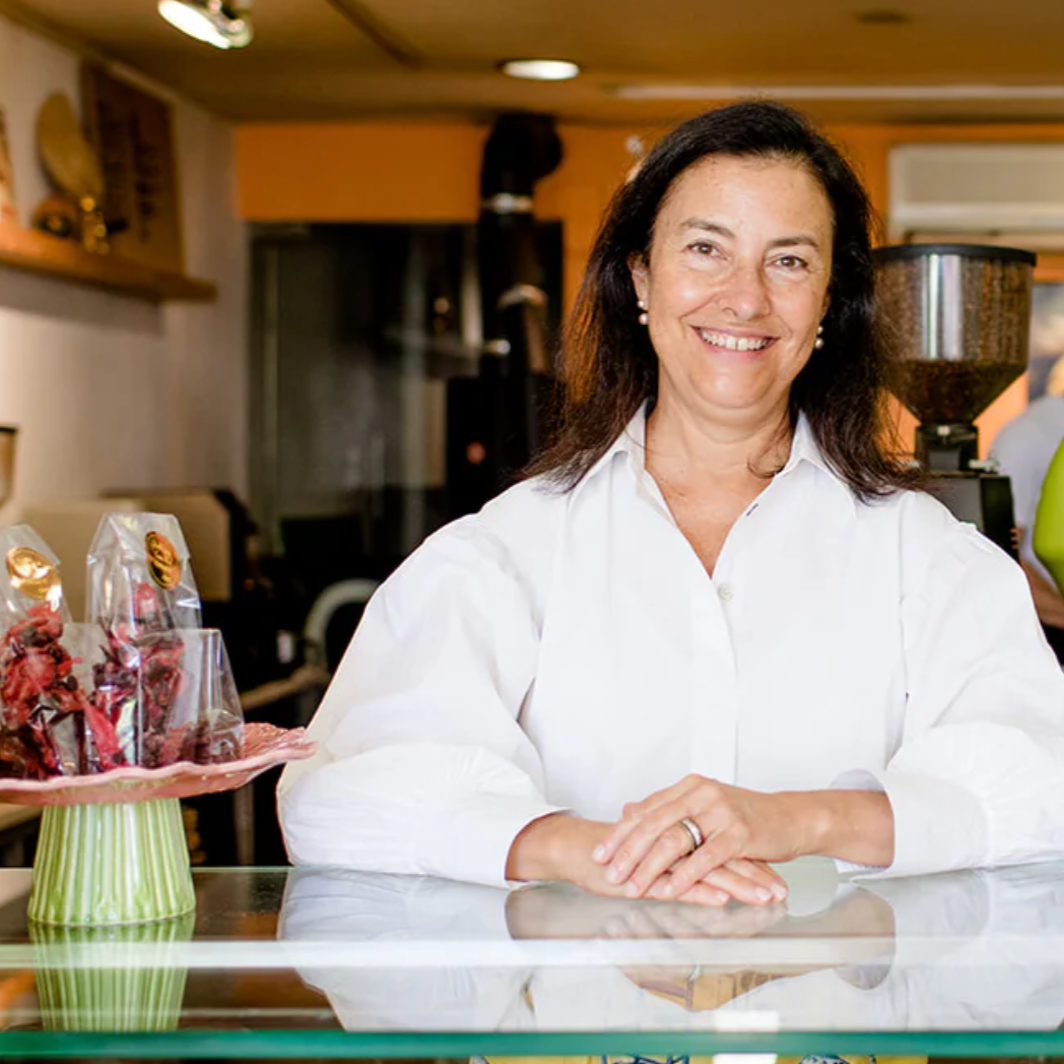
In the Eighties, Bettina Corallo lived with her family in Zaire, now the Democratic Republic of the Congo, where her father was the Portuguese ambassador. She later relocated to São Tomé and Príncipe, islands off the west coast of equatorial Africa and a former Portuguese colony, and began to reconstruct abandoned coffee plantations and experiment with cocoa production since São Tomé is considered to be the source of some of the world's best cocoa beans. Boxes of artisanal chocolates and bags of freshly roasted coffee can be purchased at her small shop in Principe Real.
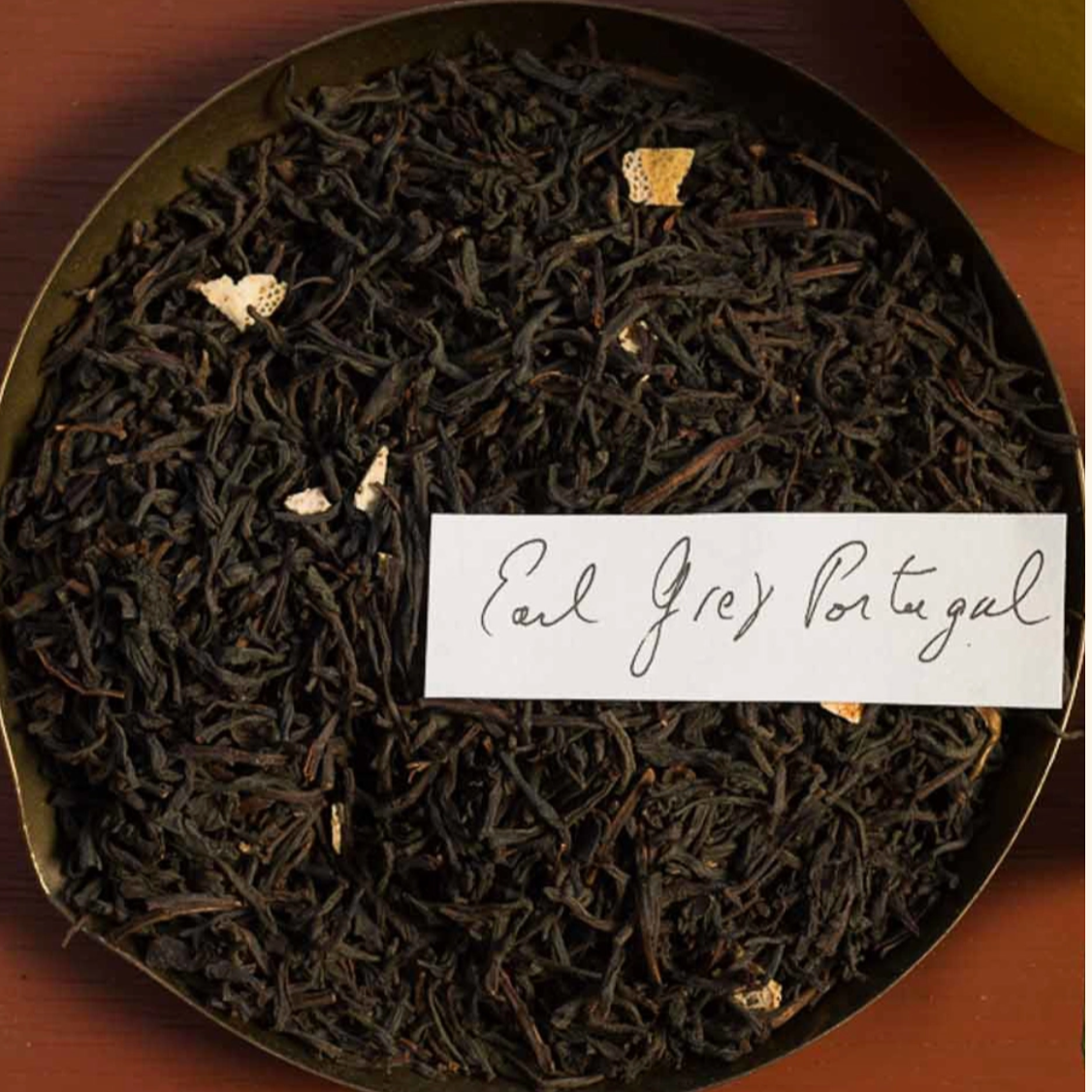
Located in a 19th century shoemaker's shop, Companhia Portugueza do Chá immediately wows with its gorgeous floor-to-ceiling displays of tea boxes and jars and the rich perfume of its many loose-leaf blends. A number of tins feature limited edition commissioned designs by artists, and blends are occasionally developed in partnership with museums. The Earl Grey Portugal prepared with Portuguese grown bergamots is especially good.
