Insurance Best Practices: A Framework for Managing Risk
Spring 2026
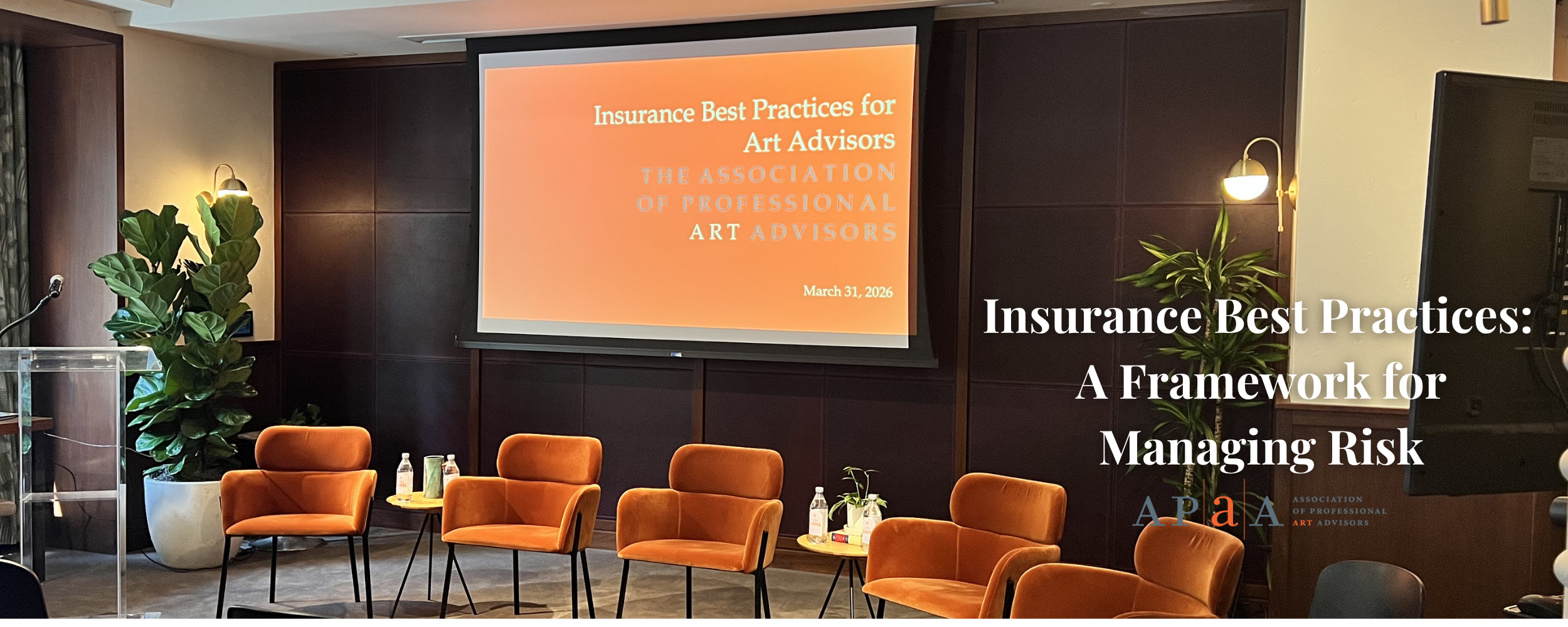
Insurance Best Practices panel at 22 Vanderbilt in New York City.
Art advisory today operates within an increasingly complex landscape—where responsibility is shared across multiple parties, and risk is rarely contained to a single moment or decision. As transactions grow more sophisticated and collections more valuable, insurance is no longer a secondary consideration. It is a core component of professional practice.
This was the focus of three programs focused on Insurance Best Practices for Art Advisors this spring, sponsored by Risk Strategies (now Brown & Brown), Marsh McLennan, Fortress Storage, and Emigrant Bank Fine Art; presented in partnership with the APAA. Bringing together perspectives from across insurance, risk management, and advisory practice, the discussions emphasized a central idea: protecting artworks—and the relationships around them—requires a proactive, structured approach.
The Evolving Risk Landscape for Art Advisors
Art advisors today operate within a layered and sometimes ambiguous risk environment. Exposure can arise at any stage of a transaction or project—during shipping, installation, storage, or even digital communication.
Responsibility is rarely isolated; it accumulates across touchpoints. A single oversight—whether logistical or administrative—can have implications that extend well beyond the initial engagement.
Understanding where responsibility begins and ends is critical. Without that clarity, advisors may find themselves navigating liability that was never explicitly defined.
Building a Comprehensive Insurance Framework
A well-structured insurance strategy is built through a combination of complementary coverages. A complete framework outlined by Brown & Brown typically includes General Liability, Professional Errors & Omissions, Cyber coverage, and a Fine Art (or Bailee) policy—each serving a distinct function within the broader risk profile.
However, coverage alone is not enough. Just as important are the exclusions—what is not covered, and where gaps may exist between policies, which is often where issues arise. A comprehensive approach requires securing the right policies but also understanding how these policies interact and where additional protections may be needed.
Documentation, Contracts, and Professional Discipline
While insurance provides a safety net, documentation and contracts provide the first line of defense. Clear, time-stamped condition reports, inventory records, and written agreements establish a shared understanding among all parties who share ownership of a collection. They define scope, clarify responsibility, and create a record that can be relied upon if questions arise.
Equally important is the consistency of communication. Informal exchanges—texts, verbal agreements, fragmented email threads—leave room for ambiguity. By contrast, clear, written documentation ensures that expectations are aligned from the outset.

Frieze New York 2026. Image by Casey Kelbaugh CKA, Courtesy of Frieze.
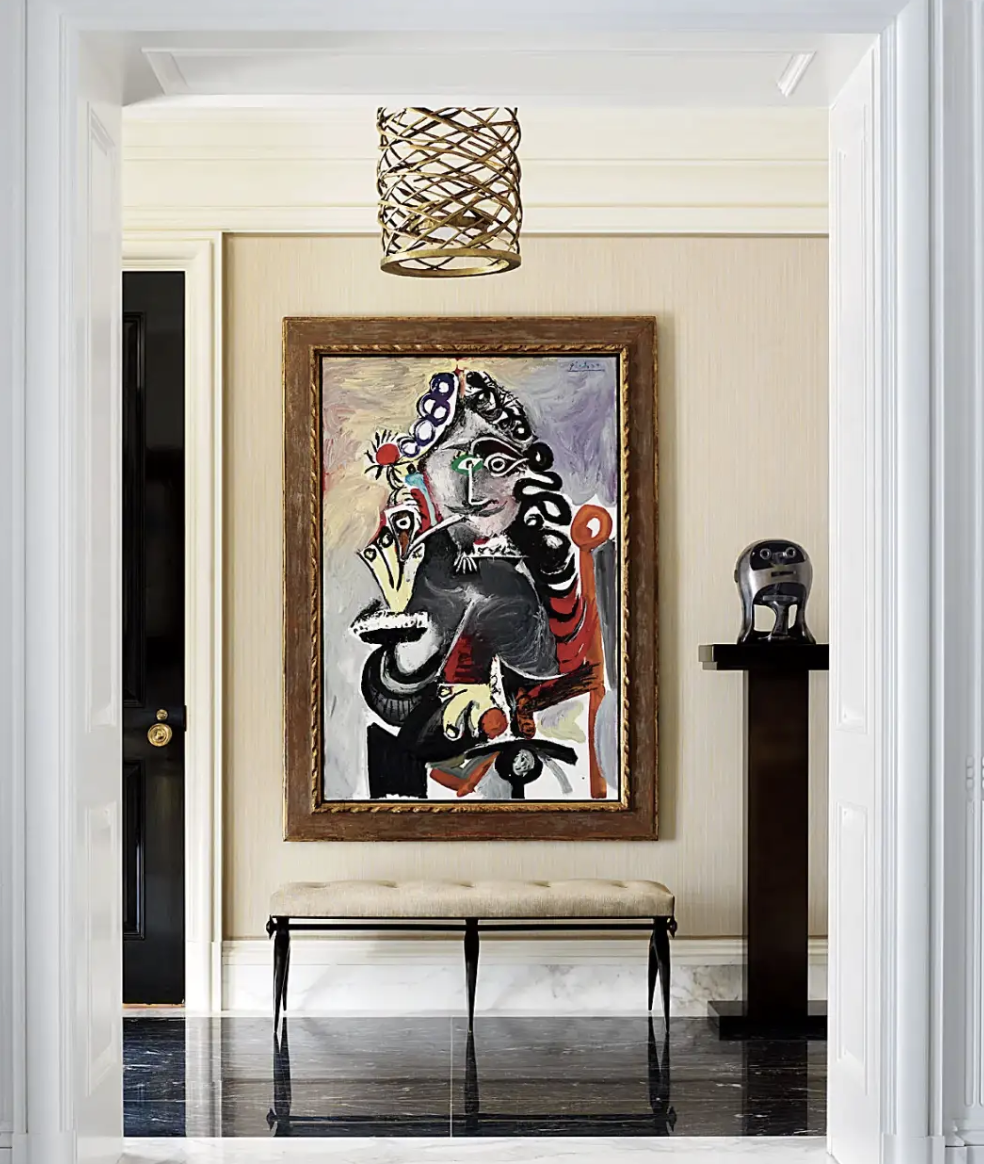
Picasso and Henry Moore, Image Courtesy of Michael Mundy.
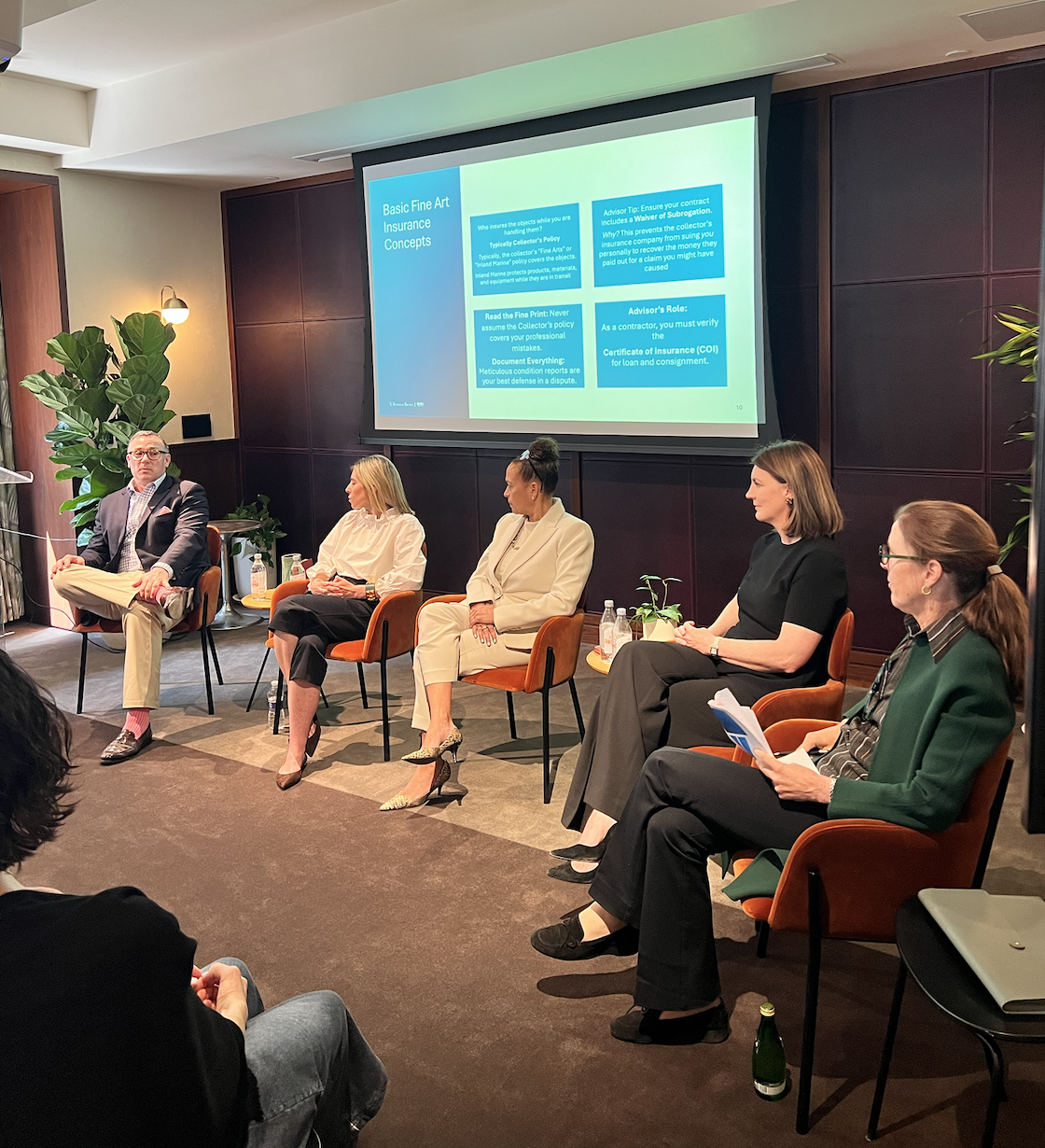
March 31, 2026. “Insurance Best Practices for Art Advisors,” a program hosted by Emigrant Bank Fine Art at 22 Vanderbilt sponsored by Risk Strategies, featuring (left to right) James Sheehan, Blair Wunderlich, Celia Santana, Laura Doyle and Lee White Galvis.
Client Responsibility and Insurance Alignment
The role of the client is an often-overlooked aspect of risk management. Advisors are guides and intermediaries, not insurers. Ensuring that collectors carry appropriate coverage for their works is a critical part of the advisory process. This distinction must be clearly reflected in contracts. An advisor’s agreement should explicitly state that the client is responsible for insuring their own collection.
Whether through standalone fine art policies or carefully structured broader coverage, alignment regarding responsibility between advisor and client is key. Without it, assumptions can lead to exposure.
Disaster Preparedness
With the increasing frequency and cost of climate events over the past decade, Marsh McLennan and Crozier stressed the importance of reviewing resilience measures for homes, including home hardening techniques, fortified construction, proper maintenance of flat roofs, flood-proofing options, and defensible space strategies that protect against wildfires.
Fortress recommends thinking locally about potential issues and coordinating professional resources in the event of a disaster. There are also devices one can install to detect fire, smoke, and electrical issues, such as Ting, as well as automatic water shut-off valves to protect against flooding and help mitigate loss.
A Proactive Approach to Risk
The discussions made clear that insurance is not simply a reactive measure. It is foundational to how art advisors operate today. The most effective advisors approach risk proactively—integrating coverage, documentation, and communication into every stage of their work. In doing so, they not only protect their clients and themselves but also contribute to a more transparent and resilient art ecosystem.
As the field continues to evolve, ongoing dialogue and education remain essential. Programs like these reflect a shared commitment to raising standards and strengthening best practices across the advisory community.
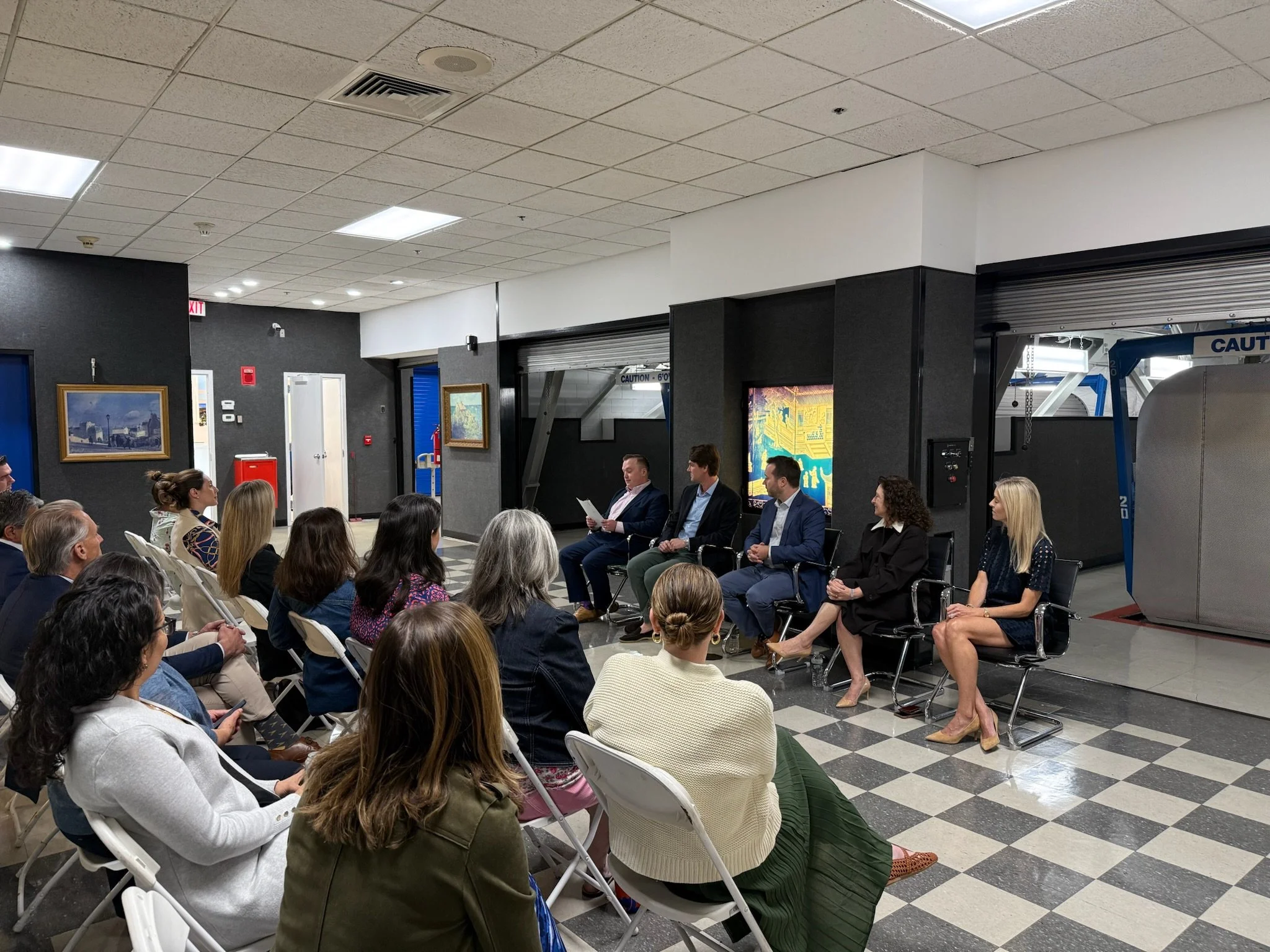
May 28, 2026. ”When the Unexpected Happens: A Practical Guide to Claims & Collections,” a panel discussion presented alongside PURE Insurance and Marsh McLennan Agency, in collaboration with Worthy Circles featuring Timothy Cuff, Tom Burns, Eric Reneau, Anne Rappa and Whitney Mullare.