
Between Buying and Putting Art in Your Home: Crozier
The Often-Unseen Work That Protects Art After Acquisition
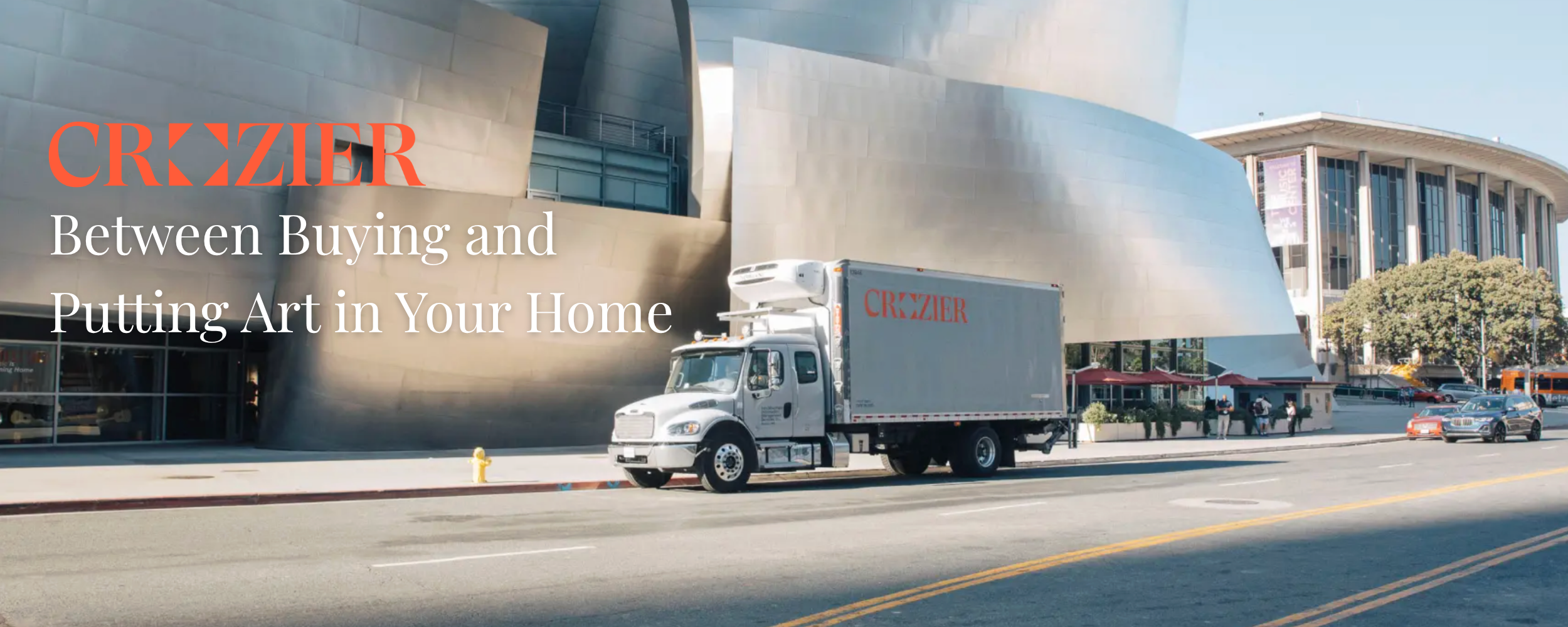
For many collectors, the moment of acquisition—whether at auction, through a gallery, or with the guidance of an advisor—can feel like the culmination of the collecting journey. Yet in reality, it marks the beginning of a critical phase in an artwork’s life.
Between the moment a work changes hands and the moment it is installed in a home or integrated into a collection, a network of specialized professionals steps in to ensure the artwork is properly documented, transported, protected, and preserved. This transitional period—often invisible to those outside the field—requires coordination across multiple areas of expertise, from shipping and storage to insurance, lighting, and legal considerations.
The APAA represents advisors committed to maintaining the highest standards of connoisseurship, scholarship, and ethical practice. Together, these experts ensure that artworks are not simply acquired—but properly cared for as cultural objects with long-term historical, financial, and conservation significance.
The Hidden Infrastructure of Responsible Collecting
After a purchase is finalized, a series of logistical and strategic decisions must occur before an artwork reaches its intended destination.
Key considerations may include:
Verifying documentation and provenance records
Arranging secure fine art shipping and customs logistics
Assessing insurance coverage and risk exposure
Planning appropriate storage or staging environments
Evaluating lighting and installation requirements
Confirming legal and financial structures surrounding ownership
Handled correctly, these processes protect the artwork’s condition, value, and long-term stability.
As a global leader in fine art logistics and services, Crozier plays a critical role during this phase. With more than 45 years of expertise, Crozier supports collectors, galleries, artists, and institutions through a comprehensive range of services—from packing and crating to transportation, storage, and installation.
Today the company operates 1.8 million square feet of fine art storage across 30 locations in 12 international markets, reflecting both the global nature of the art world and the growing need for specialized infrastructure to safeguard cultural assets.
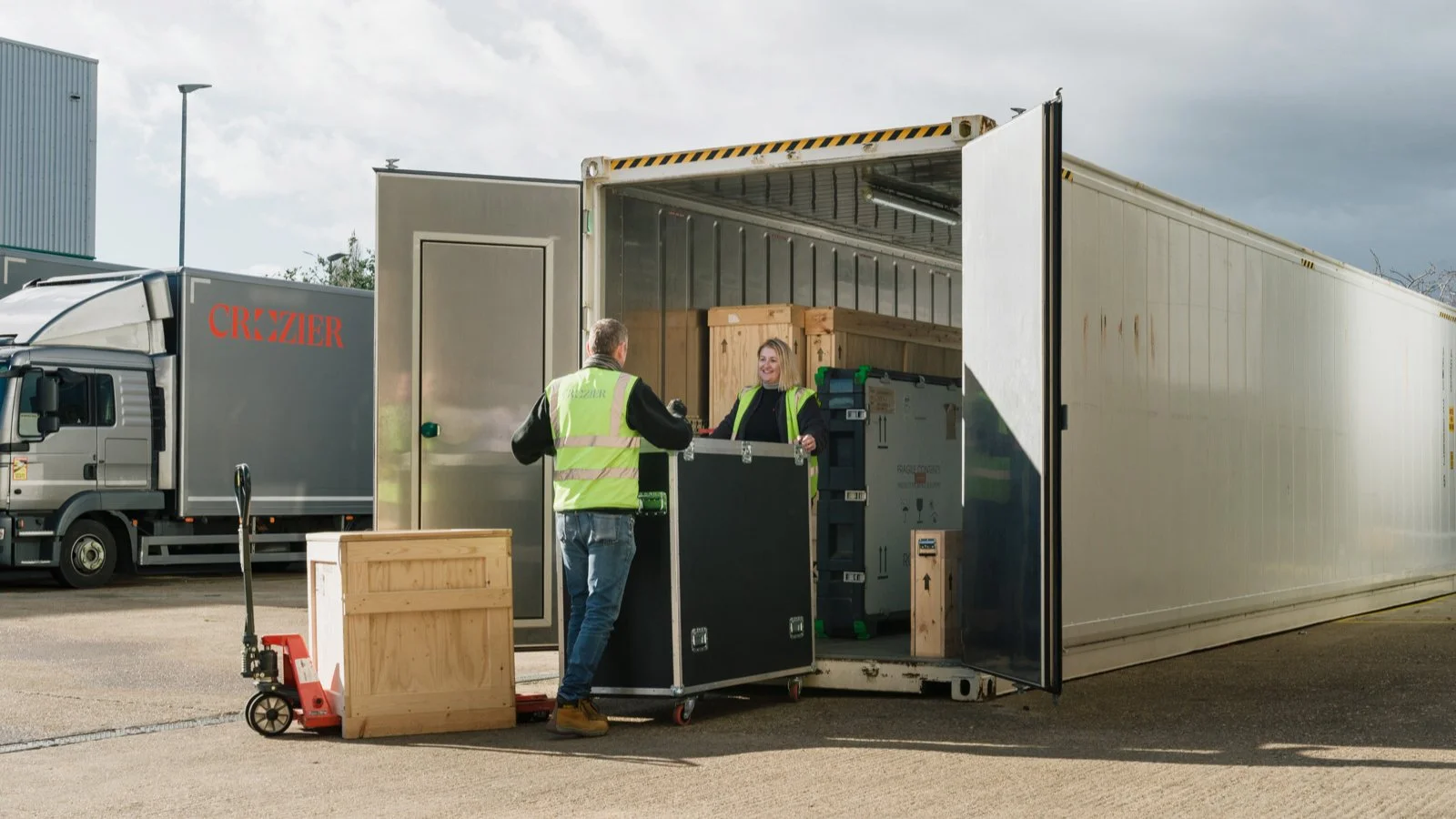
Image Courtesy of Crozier.
From Acquisition to Arrival
Moving a newly acquired artwork from one location to another requires far more than simple transportation. Fine art logistics involves careful planning, specialized handling, and precise environmental control.
Crozier’s teams manage these transitions through coordinated services that include:
Museum-standard packing and crating
Climate-controlled transport
Customs coordination for international works
Condition reporting and documentation
Professional installation and art handling
Each stage is designed to minimize risk while preserving the physical integrity and historical significance of the work.
Innovation and the Evolving Art Logistics Landscape
As collecting becomes increasingly global and technologically driven, the infrastructure supporting artworks must evolve as well.
Crozier continues to invest in next-generation technology designed to improve efficiency, enhance documentation, and modernize art logistics. Among these innovations is ultra-high-resolution imaging, which allows artworks to be captured in exceptional detail for cataloging, condition reporting, and digital viewing environments.
These tools not only improve operational workflows but also help collectors maintain detailed records of their collections across physical and digital platforms.
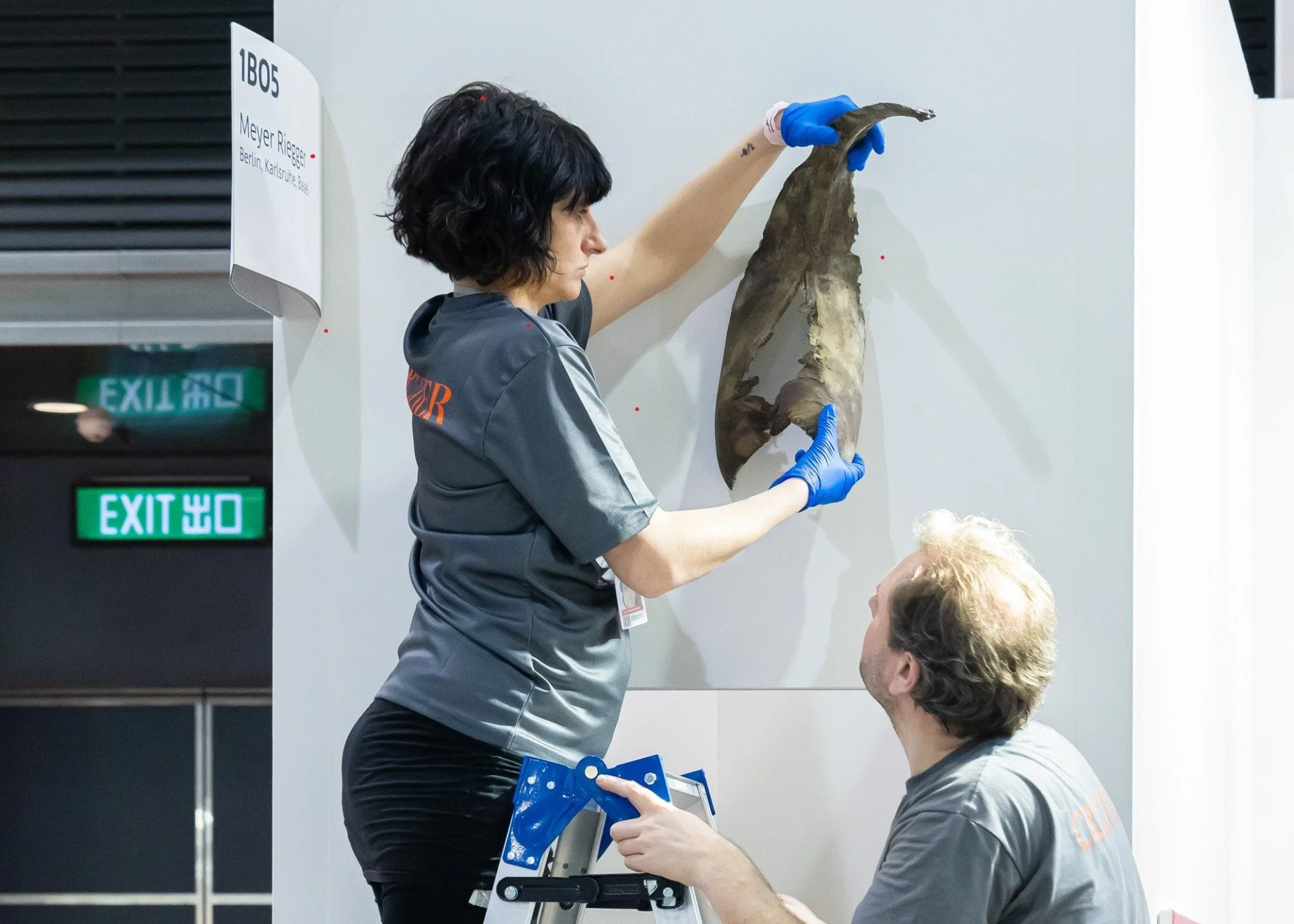
Image Courtesy of Crozier.
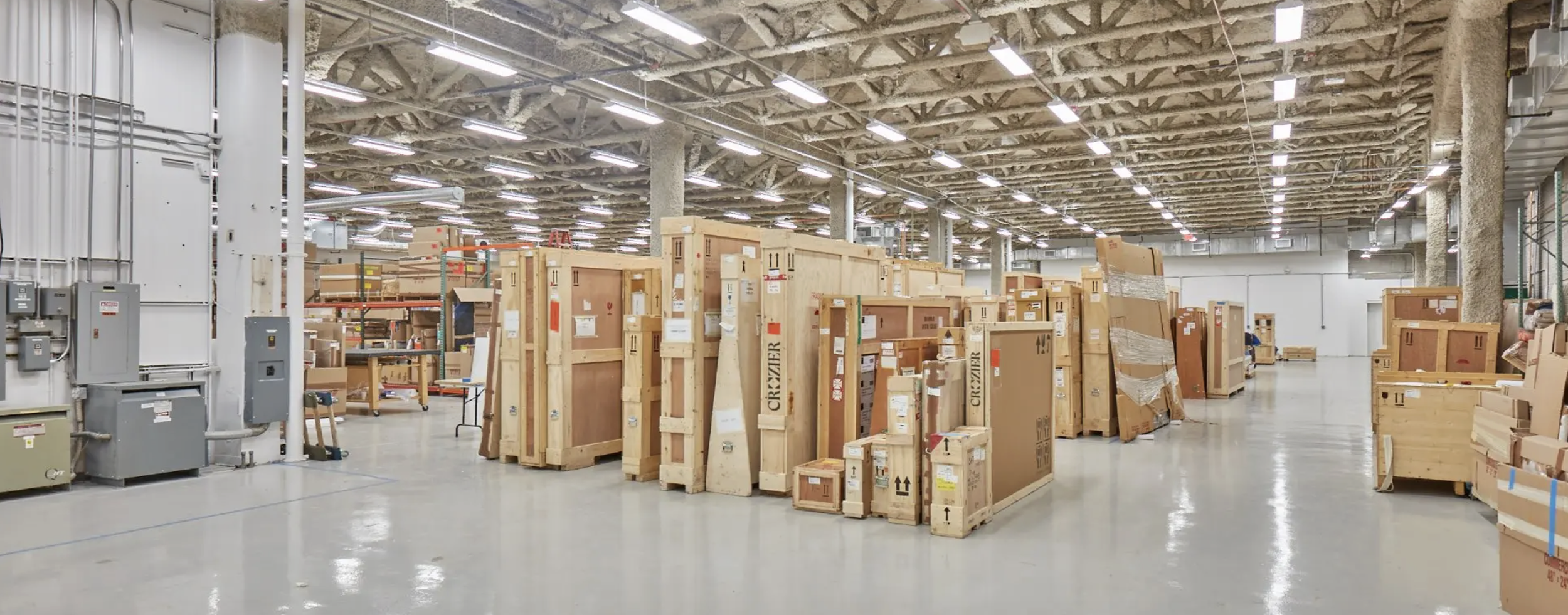
Image Courtesy of Crozier.
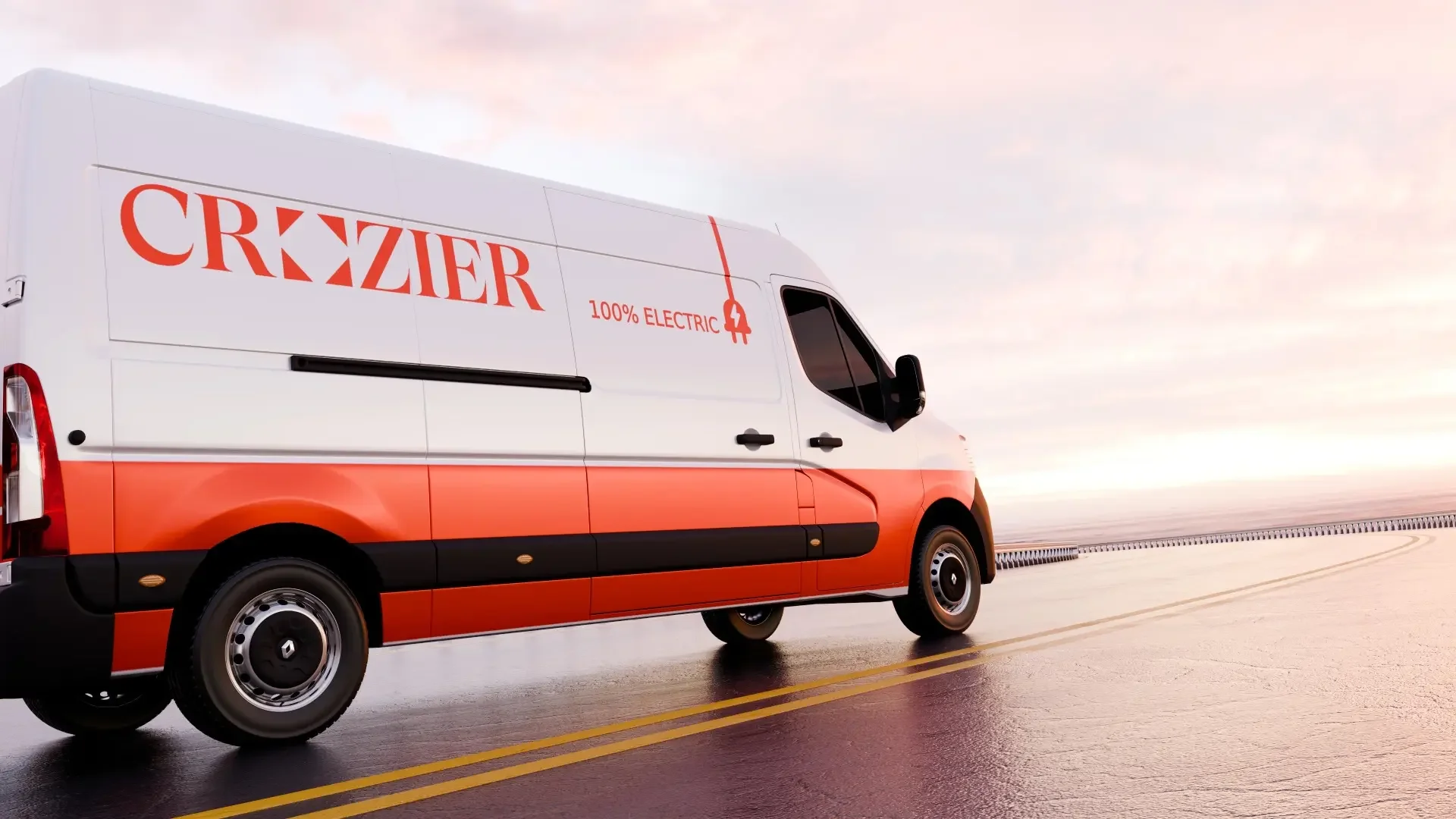
Image Courtesy of Crozier.
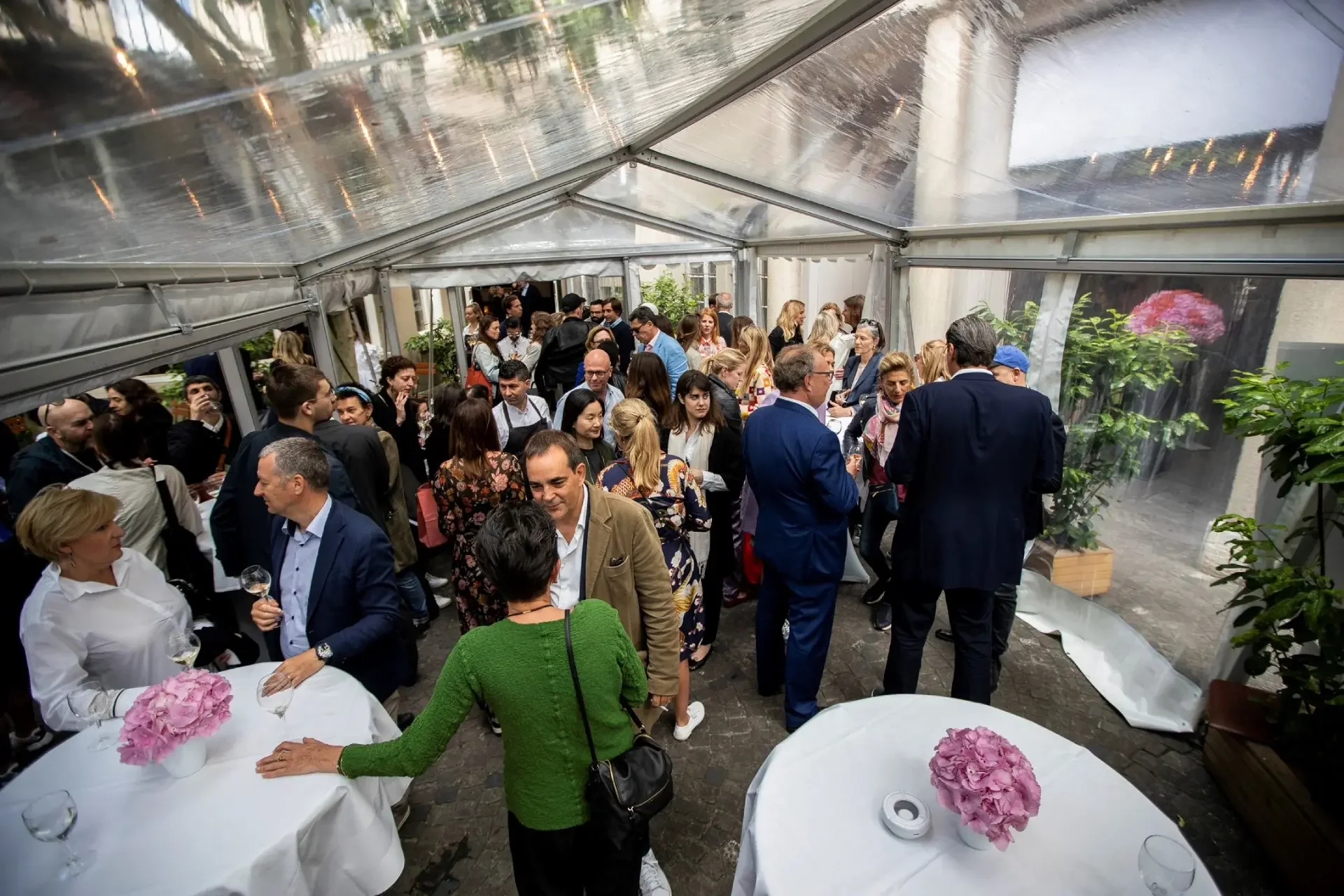
Image Courtesy of Crozier.
Sustainability and Responsible Stewardship
Environmental responsibility is becoming an increasingly important topic across the art world—from museum operations to transportation logistics.
In partnership with its parent company, Iron Mountain, Crozier is investing in green infrastructure and more efficient transportation networks designed to reduce environmental impact while maintaining the highest standards of care. These efforts reflect a broader shift toward sustainability within the cultural sector.
Building the Next Generation of Art Professionals
Beyond logistics, Crozier also contributes to the future of the field through education and professional development initiatives.
Through internship programs and partnerships with institutions such as The Broad, the company is helping to build pathways for emerging art logistics professionals—ensuring that the specialized knowledge required to care for cultural objects continues to evolve and expand.
A Collaborative Ecosystem
The work that occurs between acquisition and installation is rarely performed by a single professional. Instead, it unfolds through collaboration among trusted specialists—many of whom work closely with APAA members.
Each discipline contributes a unique form of expertise to ensure artworks move safely through this transitional stage.
For experienced collectors, the period immediately following acquisition is often where professional guidance proves most valuable. Artworks are particularly vulnerable during transitions—when they move between environments and ownership structures. Proper handling, documentation, and planning during this stage can significantly impact the long-term preservation of both the object and its value.
Through collaboration between advisors and specialized affiliates like Crozier, collectors gain access to the expertise and infrastructure required to ensure that artworks are not only acquired—but responsibly stewarded for generations to come.