
Path to Art Advisory: Lucy-Anne Garnett
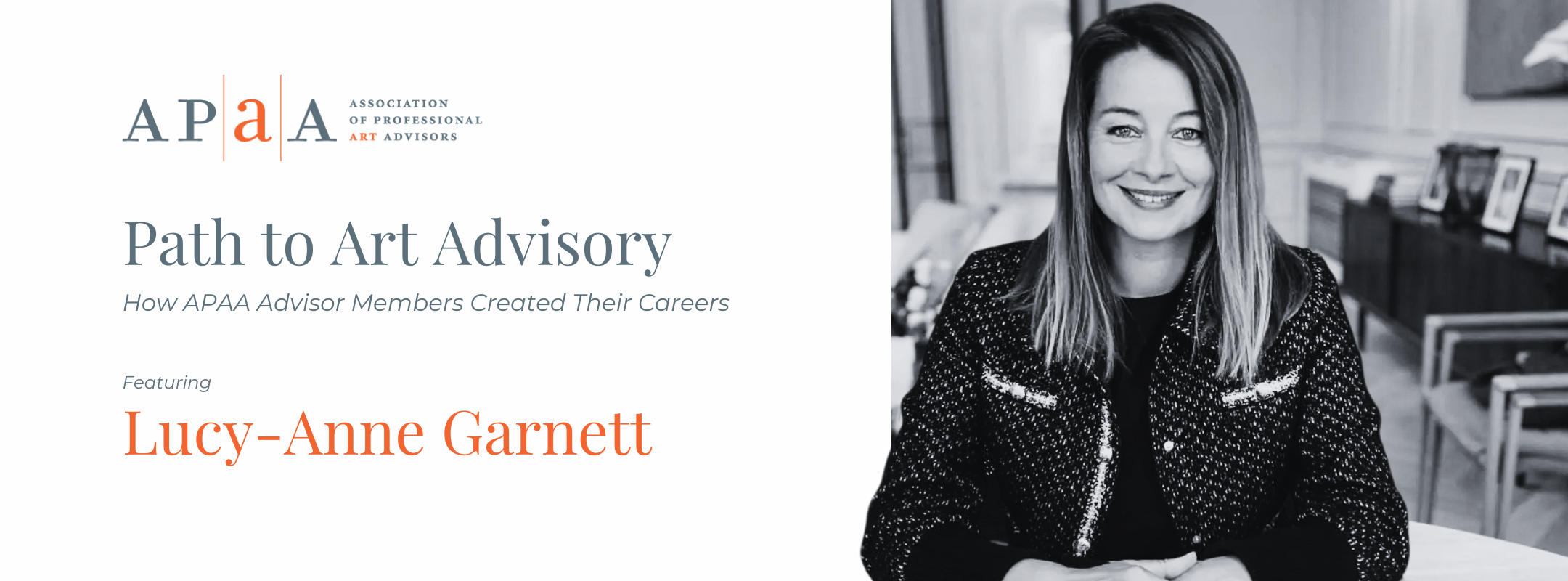
Lucy-Anne Garnett is an independent art advisor based in London, UK. As the Director of Garnett Advisory Ltd., Lucy-Anne advises an international portfolio of private clients on the acquisition & sale of Impressionist, Post-War, and Contemporary fine art. With over 25 years of experience in the global art market, Lucy-Anne has cultivated a distinguished career working in various aspects of the art world, and has participated in esteemed art panel talks, including the University of Cambridge & Cambridge Women in Business, Entrepreneurship Lab, King’s College Cambridge, and Global Wealth Management Summit and FT (Financial Times) Live.
A passionate supporter of the arts, Lucy-Anne has also established, on behalf of her clients, support & patronage of galleries, non-profit foundations, and educational organizations. Lucy-Anne is a member of the Association of Women in the Arts (AWITA), a member of the Society of London Art Dealers (SLAD), and is on the Advisory Board of the London Art Fair.
What was your first “art world” job?
My first role in the art world was an internship in the American Paintings Department at Christie’s New York in the mid-1990s. It was an extraordinary introduction to the auction world, and a privilege to work alongside a talented team of specialists. Like many interns starting out in the art world, I had to earn my place and gain the trust of senior colleagues before taking on greater responsibilities. I undertook research projects that took me into museum libraries and archives and gave me the opportunity to study and inspect paintings by artists such as John Singer Sargent, Mary Cassatt, and Georgia O’Keeffe. Living and working on Park Avenue also gave me access to world-class museums, including The Metropolitan Museum of Art, the Guggenheim, and The Frick Collection. I quickly developed an appreciation for the energy and inner workings of the auction world.
Following my internship in New York, I returned to London and joined Christie’s South Kensington in Valuations, the first point of contact for clients bringing in fine art, antiques, and collectibles for assessment & valuation.
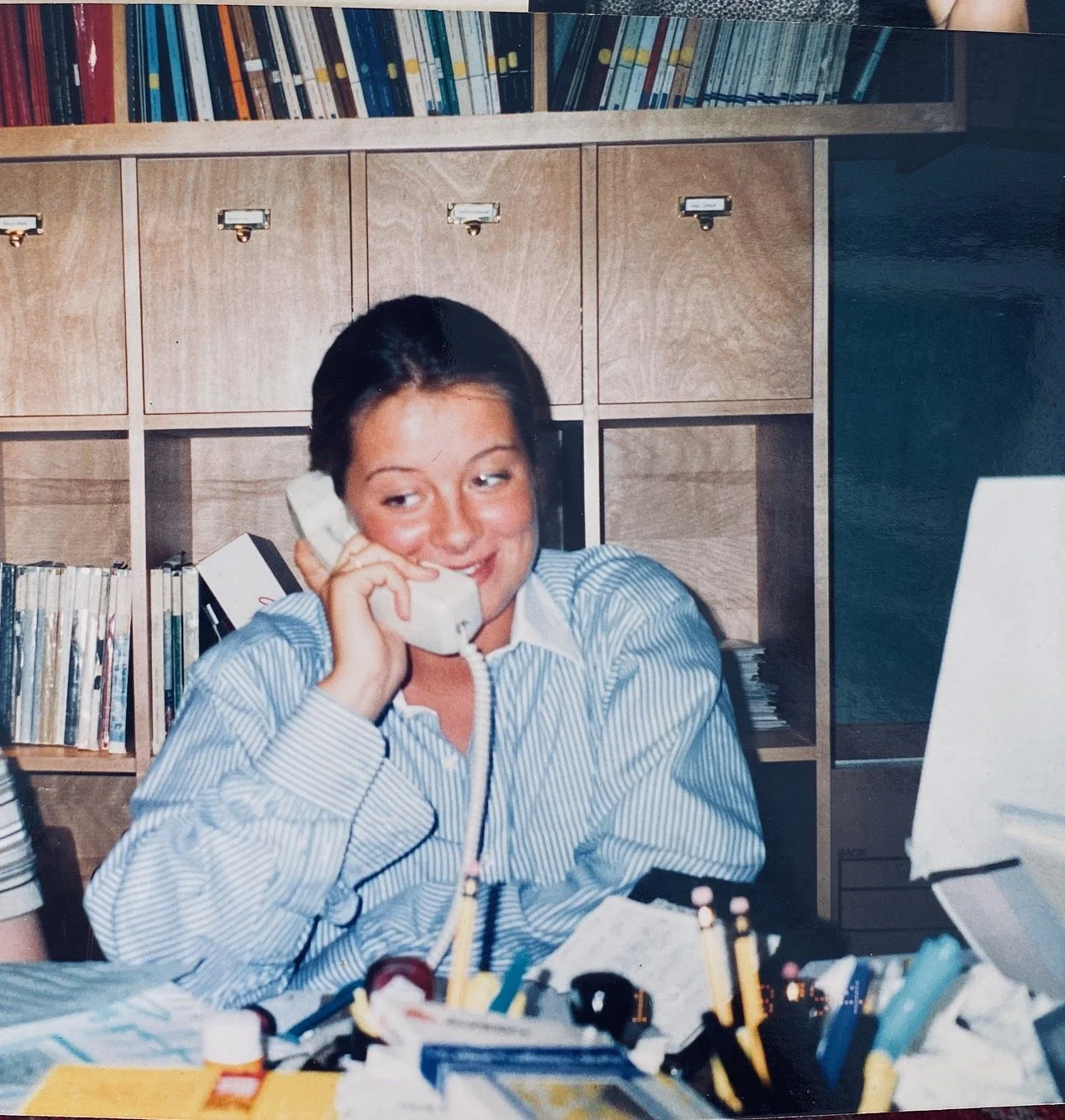
Lucy-Anne working as an intern at Christie’s New York.
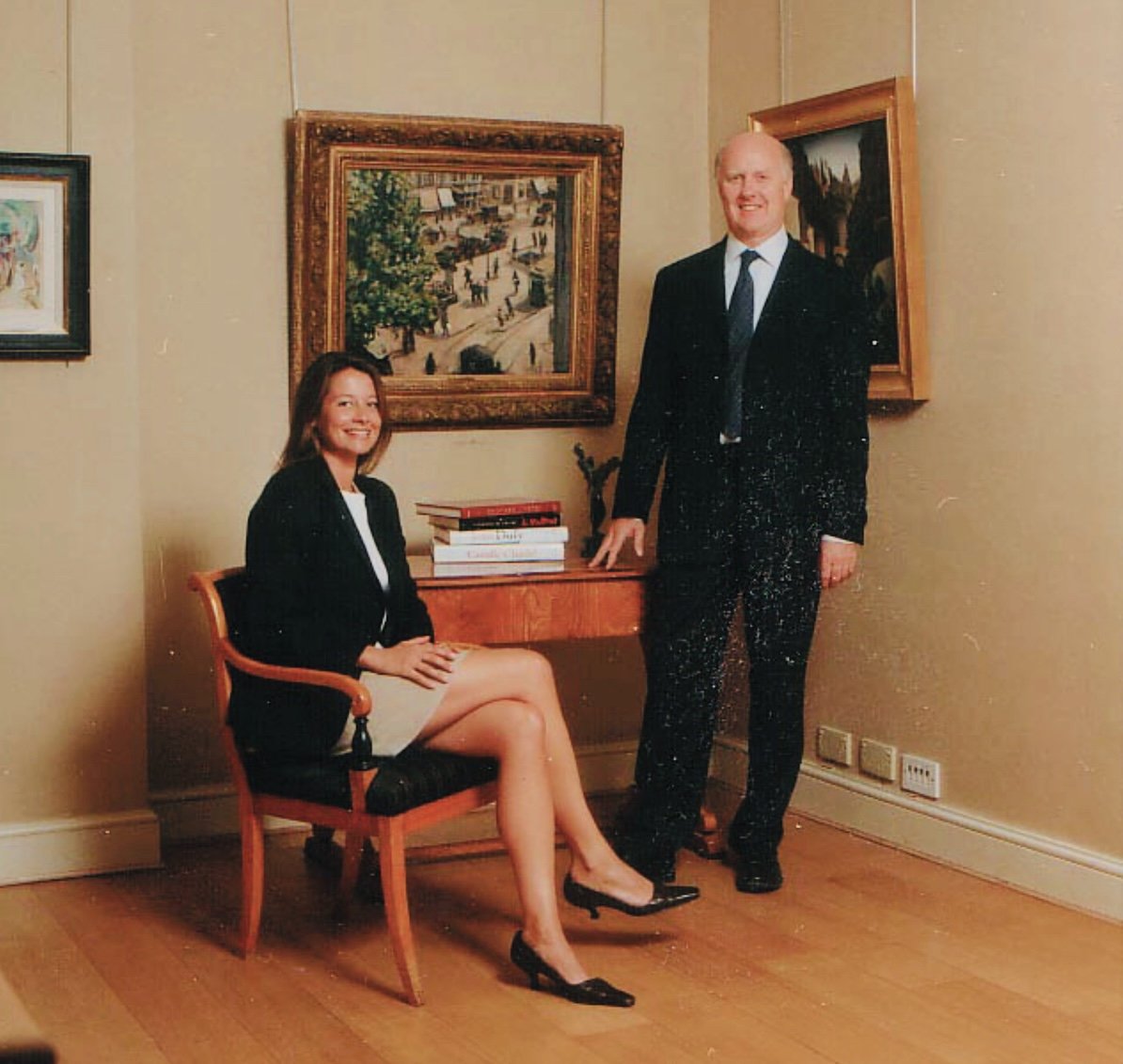
Lucy-Anne working at Fine Art Brokers with owner Ray Waterhouse.
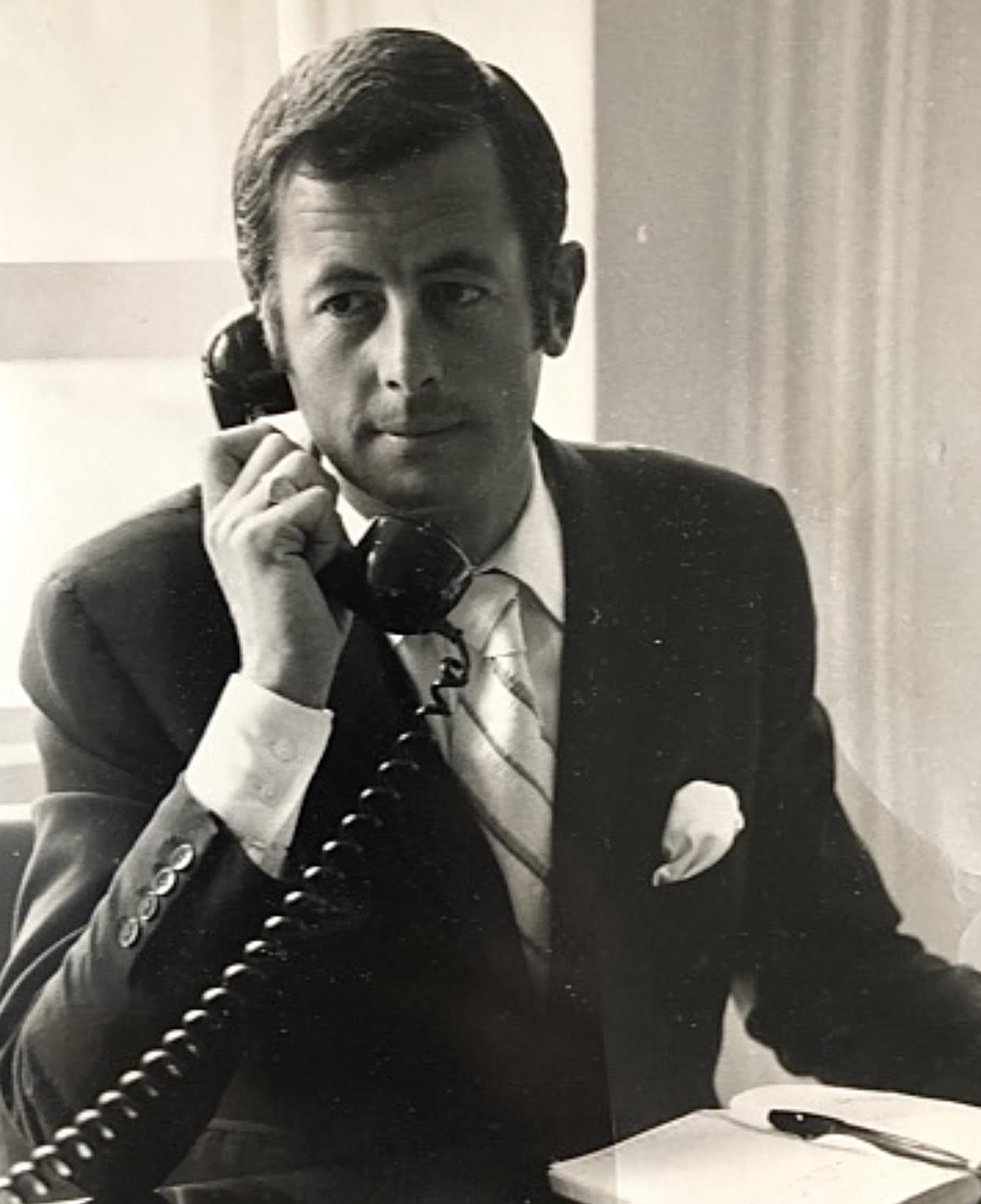
Patrick Garnett, Lucy-Anne’s father.
What's one lesson you learned that has stayed with you?
My father was a great inspiration and gave me a piece of advice that has stayed with me throughout my career: always remain professional and never burn bridges with people. The art world is a relatively small and interconnected community, and throughout your career you continually cross paths with the same artists, collectors, dealers, curators, and auction house specialists.
Your reputation is one of your most valuable assets. The way you conduct yourself has long-term consequences, both professionally and personally. I have always tried to treat people with courtesy and respect, regardless of their position or status, and I believe those values have served me well throughout my career.
How did you first hear about art advisory?
It was actually my father who first articulated the idea of art advising as a profession to me. At the time, I was working for a fine-art brokering business within a gallery. My father recognised that many of the skills I was already using could be applied independently on behalf of clients. Having built his own career as an international architect, he understood both the value and the challenges of working for yourself. One day, he sat down and sketched out a business plan for me on a single sheet of paper, outlining the services I might offer as an independent art advisor. I still have that piece of paper more than 25 years later. It was the catalyst that encouraged me to establish my own advisory practice in later years.
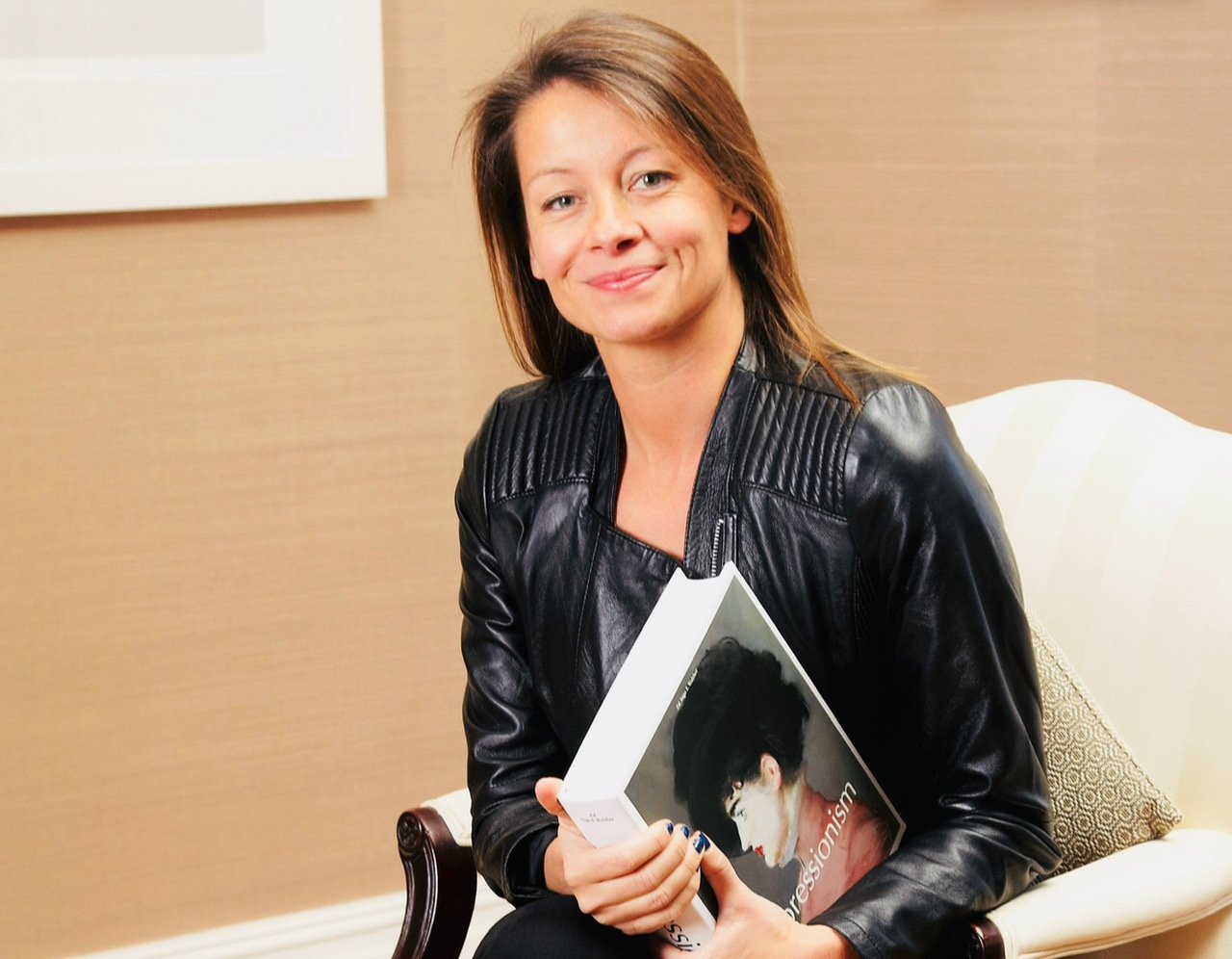
Lucy-Anne starting her art advisory business, Garnett Advisory Ltd.
Who did you look up to when you were first considering art advising?
One of my earliest mentors was my former boss and art dealer, Ray Waterhouse, who recognised that the traditional gallery model needed to evolve following the events of 11 September 2001.
At the time, the international art market was changing rapidly, and galleries could no longer rely solely on walk-in visitors, particularly as fewer American collectors were travelling to London. Recognising this shift, Ray and his business partner adopted a more client-focused approach, expanding the business through an art advisory arm called Fine Art Brokers. This enabled us to develop deeper, more personalised relationships with collectors. We helped clients acquire works beyond the gallery's programme and built exceptional blue-chip collections across the wider market.
What drew you to art advising over other art world careers?
Art advising offered something unique: independence, impartiality, and the opportunity to work closely with great collectors over the long term.
Unlike galleries or auction houses, which naturally represent their own inventory, an independent advisor has the freedom to view the market as a whole and source the best artworks for their clients. That broader perspective was very appealing to me.
I was also drawn to the educational aspect of the role. For me, advising is first and foremost about helping clients understand the art they are collecting. Once that knowledge and confidence are established, acquisitions tend to follow naturally.
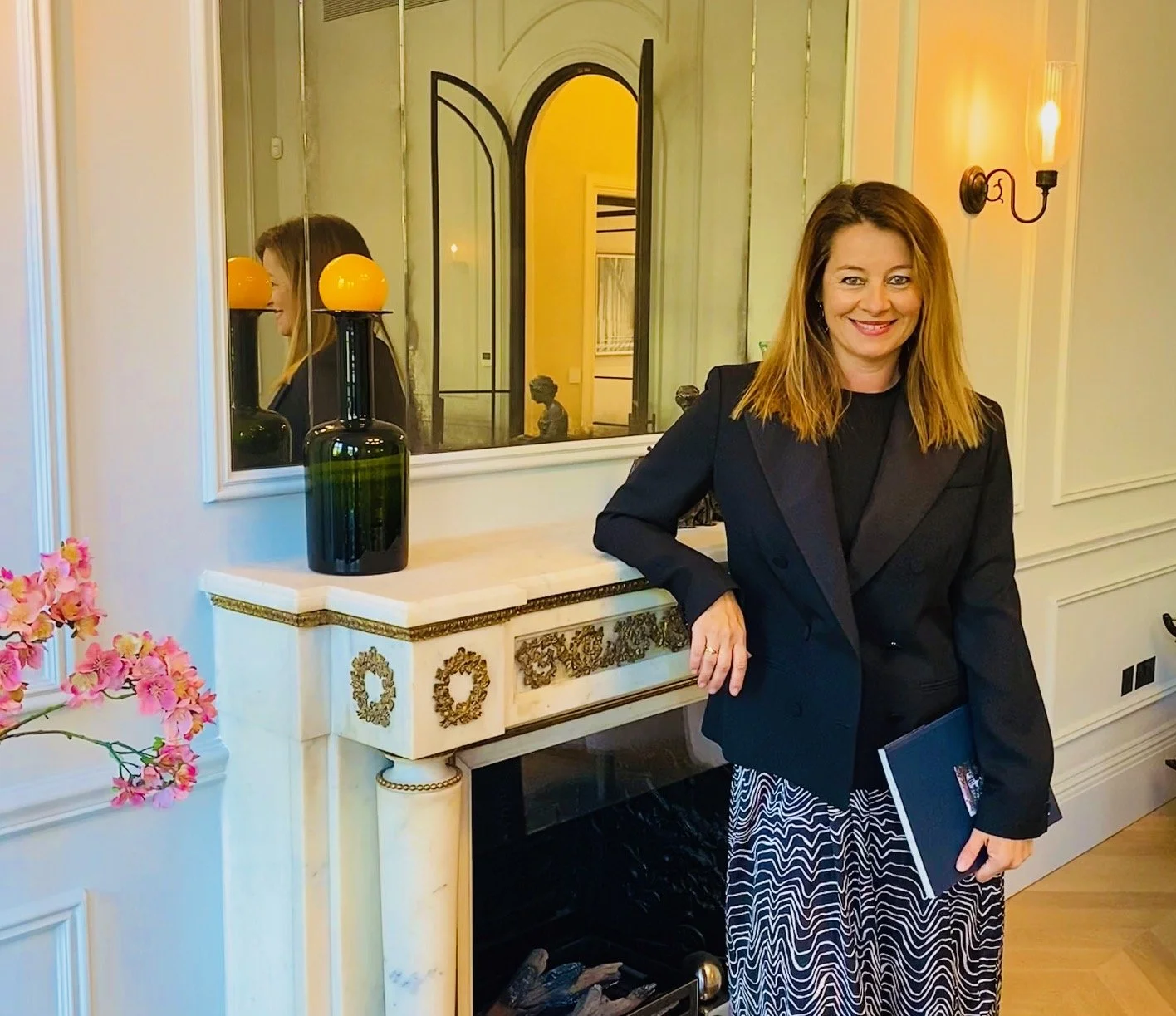
Director of Garnett Advisory Ltd.
I have always admired advisors who prioritise long-term relationships built on trust, transparency, and expertise rather than short-term transactions. More than 25 years later, that philosophy remains central to my practice.
What advice would you give your younger self, just starting out on the path to art advising?
Quite simply: work hard, earn your stripes, and stay curious. Go to as many gallery previews, auctions, artist studios, and art fairs as you can. Look closely, listen carefully, ask questions, and build your network across both the trade and the collector community.
Avoid conflicts of interest, and I have always believed it is important not to accept fees from third parties. Clients value integrity far more than salesmanship.
I would also encourage my younger self to gain experience across as many corners of the market as possible before becoming an advisor: auction houses, galleries, banks, private collections, artist studios, and foundations all teach you something different. The broader your understanding, the better equipped you are to advise with confidence and nuance.
Your credibility is your greatest asset, and your clients’ interests must remain at the core of every decision.
